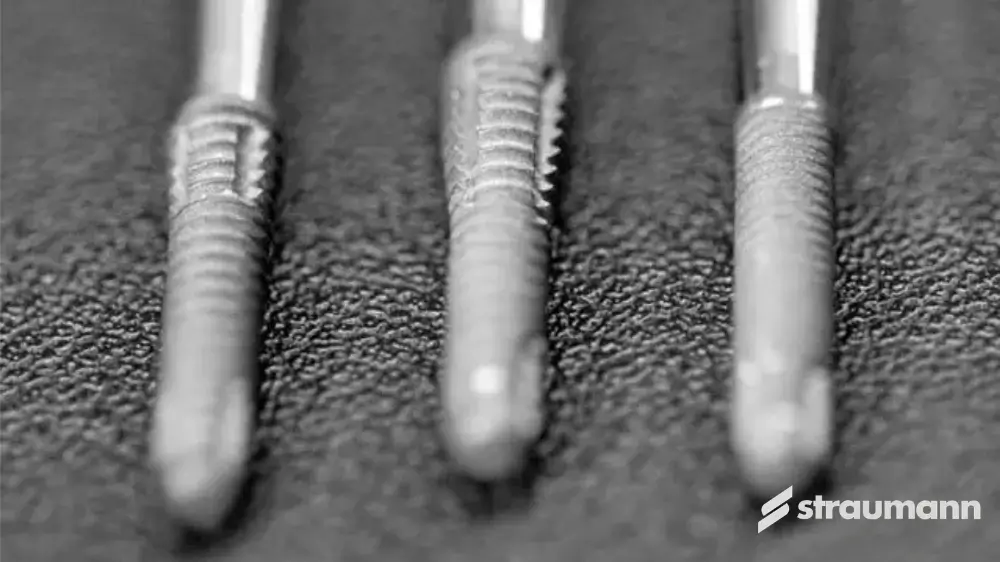
Straumann® dental implants in Turkey cost £700-£950 –– for the same implant you’d get at home, manufactured by the same Swiss laboratory. With the same Roxolid® alloy and the same lifetime guarantee. But are you getting genuine Straumann in Turkey, or counterfeits?
Learn how to verify Straumann implants with REF codes and don’t get a pig in a poke. Below, learn it all about package prices & medical insurance for international patients (mandatory as per Ministry of Health regulations). Get a free medical consultation with OONE LIFE’s US-trained dentists and maxillofacial surgeons.
Why Are Straumann Implants the #1 Brand Worldwide?
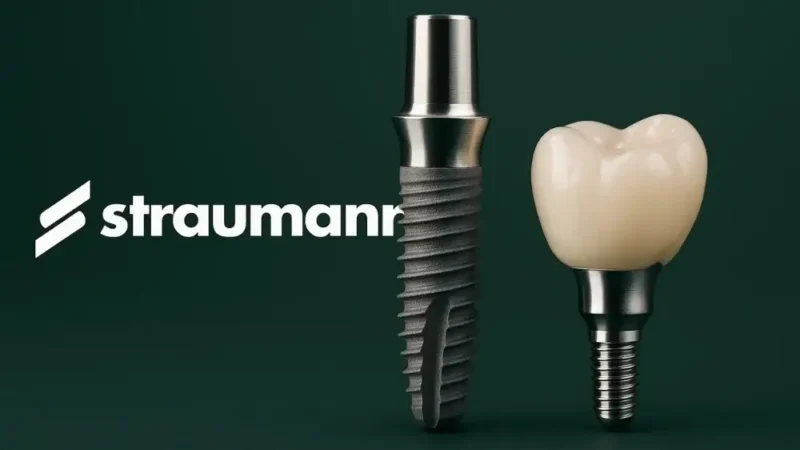
Straumann Group is the strongest competitor in the global dental implant market in 2026, backed by strong brand recognition, an extensive clinical evidence base, and a long-standing reputation for high-quality implant solutions. That is a conclusion from independent market research.
Here is what the numbers say:
- In 2024, the Straumann Group grew its global implantology market share from approximately 32% to 35%.Straumann Group
- Straumann SLActive® implants achieve a 10-year success rate of 97.4% — one of the highest in the entire industry.
- The global dental implants market is projected to reach USD 18.79 billion by 2030, and Straumann sits at the top of that expanding pyramid.
How to Verify Authentic Straumann Implants in Turkey
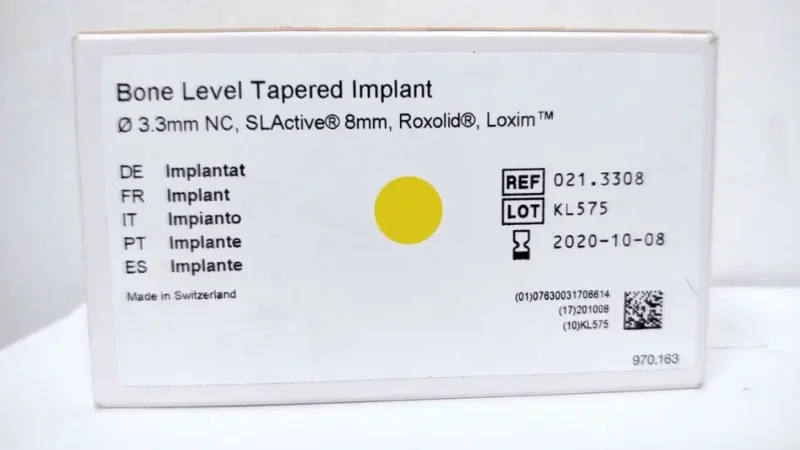
Every Straumann implant comes in sealed, labelled packaging with two numbers — a REF code and a LOT number. Straumann’s Online Verification Tool allows you to enter these two numbers and receive instant confirmation that the component is authentic — so you can benefit from the Straumann® Guarantee. Straumann Group
Step by step — what to check:
- Before surgery: Ask to see the sealed Straumann package. It should clearly display the REF and LOT numbersand Swiss origin (manufactured in Villeret, Switzerland).
- Verify online: Go to straumann.com/verification, enter the REF and LOT numbers. You will see a confirmation screen stating the product is an original Straumann component.
- Check the abutment too: It is possible to receive an original implant but a non-original abutment. Always ask whether the abutment is also Straumann-branded.
- Request your implant passport:request an implant card stating the REF number, placement date, and implant specifications. Keep this document permanently — you will need it for future dental work anywhere in the world.
Medical Complication Insurance (Mandatory as per Turkish Ministry of Health)
From 1 January 2026, the Turkish Ministry of Health requires all patients travelling to Turkey to be covered by mandatory complication insurance. The requirement applies regardless of any other insurance the patient may hold. At OONE LIFE, we ensure you are medically and financially protected at all times.
What does the insurance cover?
- Revision surgeries and hospital costs
- Reimbursement of an economy-class return flight to Turkey, up to €1,000
- Accommodation during stay
Straumann Dental Implants Cost in Turkey
A single Straumann implant in Turkey costs between £700 and £950. The same treatment in the UK starts at around £2,500. In the US, it exceeds $3,500. Below, we will go through all the types of Straumann and full mouth dental implant package deals in Turkey.
Why is it cheaper in Turkey?
- Lower operating costs (rent, staffing, utilities)
- High patient volume and bulk distributors
- Favourable exchange in GBP, USD or EUR
- Government incentives supporting the medical tourism sector
Different Types of Straumann Implants Price
Before comparing models, it helps to understand that Straumann implants are defined by three independent dimensions: the material they are made of, the surface treatment applied to them, and their geometric design. These are often confused. Here is how they actually work.
Straumann Roxolid®
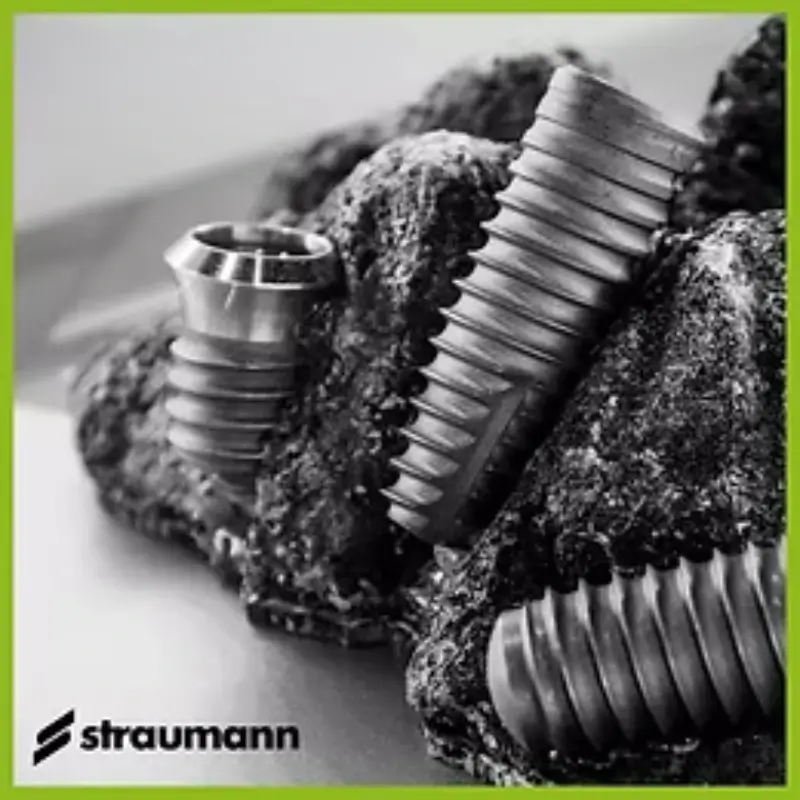
Most modern Straumann implants — including the BLX, BLC, TLX, and TLC — are manufactured from Roxolid® , Straumann’s proprietary alloy composed of 85% titanium and 15% zirconium. Roxolid® is not an implant model. It is the material.
The price premium for Roxolid® implants over pure-titanium Straumann models is typically £50–£100 more perdental implant in Turkey. Why does this matter? Pure titanium is the industry standard. Roxolid® is stronger. This means:
- Narrower implants with no compromise in stability
- Better performance in low bone-density cases(D3–D4 bone)
- Reduced need for bone graftingin some patients who would otherwise require it before implant placement
Straumann SLA & SLActive
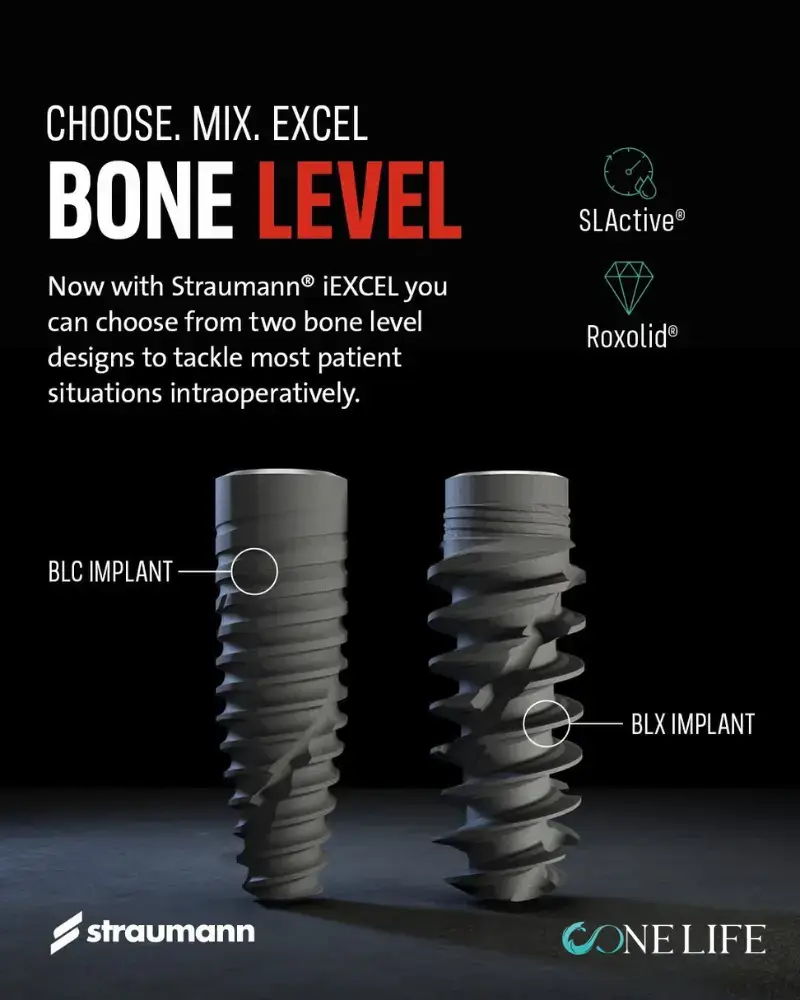
SLA® and SLActive® are not implant models either. They are microscopic modifications applied to the implant body to accelerate the biological bonding with living bone (osseointegration).
- SLA® (Sandblasted, Large grit, Acid-etched): Straumann’s classic surface, with over 20 years of clinical documentation. Creates micro-roughness that promotes reliable bone attachment. Standard healing: 6–8 weeks.
- SLActive®: An advanced evolution of SLA®. The surface is additionally treated to be hydrophilic — meaning it attracts blood proteins rather than repelling them. This enables faster healing and reduces treatment time by up to 50%.
Straumann PURE Zirconia Implants
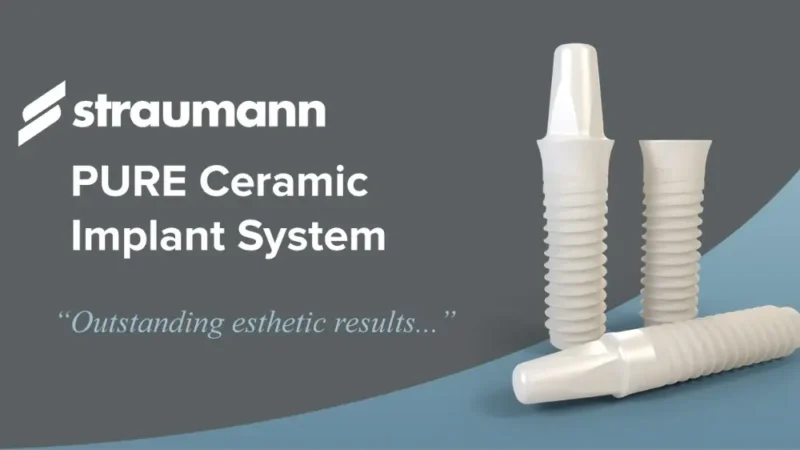
Straumann PURE® is the only Straumann implant not made from titanium or Roxolid®. It is a zirconia tooth implant manufactured from yttria-stabilised zirconia (Y-TZP) and is completely white.
Price in Turkey: approximately £800–£1,100 per implant depending on diameter and complexity.
Best for: patients with confirmed or suspected titanium sensitivity, patients with very thin gum tissue (where a metal implant would show through as a grey shadow), and patients with a strong preference for a fully metal-free treatment.
Key clinical facts:
- The high-performance zirconia provides a fatigue strength actually higher than grade-4 titanium implants.Straumann Group
- Human studies have demonstrated reduced bacterial adhesion on zirconia compared to titanium, and fewer inflammatory cells — suggesting that peri-implantitis may be less likely around zirconia implants.
BLX, BLC, TLX, TLC
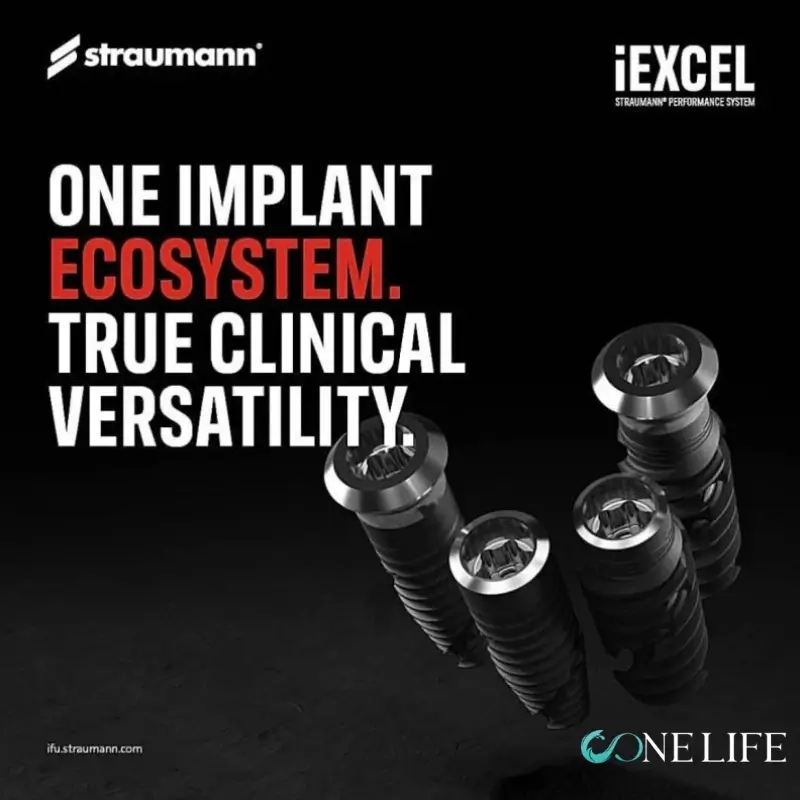
These four lines form Straumann’s iEXCEL™ system, launched in 2024–2025. The system offers four implant designs with a standardised TorcFit™ connection, shared prosthetic diameter, and a single instrument set — streamlining workflows and reducing complexity for surgeons.
The letters follow a consistent logic: BL = Bone Level (implant sits flush with the jawbone); TL = Tissue Level (implant collar emerges slightly above the bone, at gum level); X = aggressive tapered design; C = conservative cylindrical design.
BLX — Bone Level, Aggressive Taper (The Same-Day Implant)
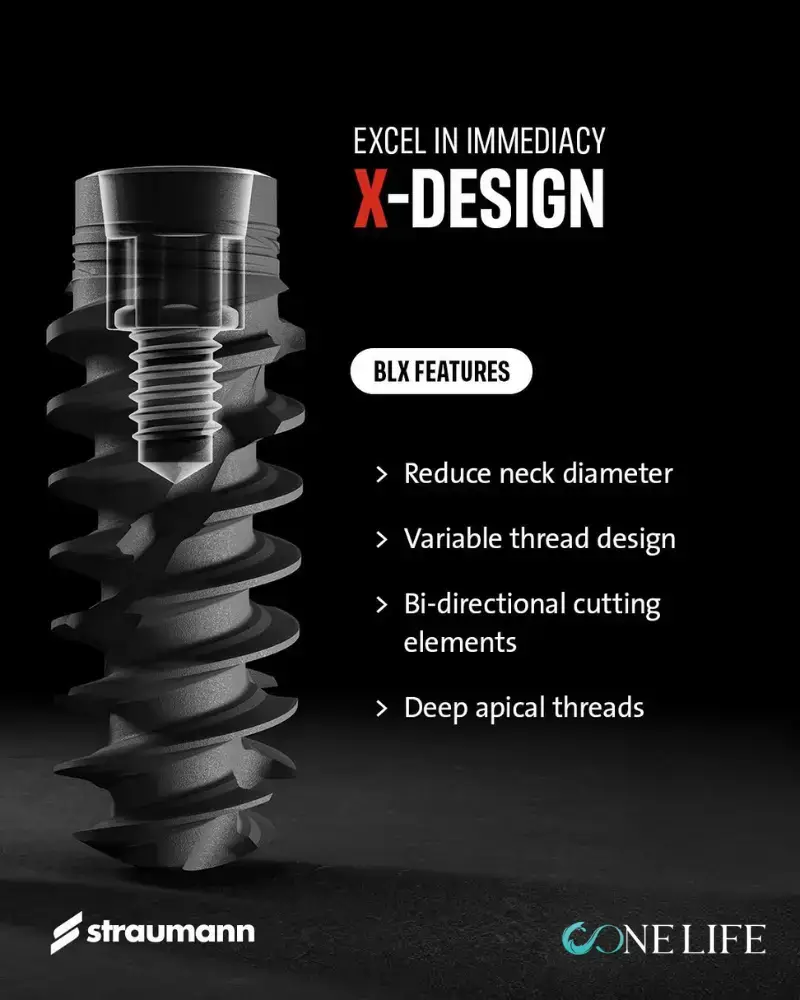
The BLX is designed as a solution for immediate placement. It grips bone aggressively at placement. Best for: patients with soft bone density. The most widely used Straumann implant in Turkey for full-mouth restorations.
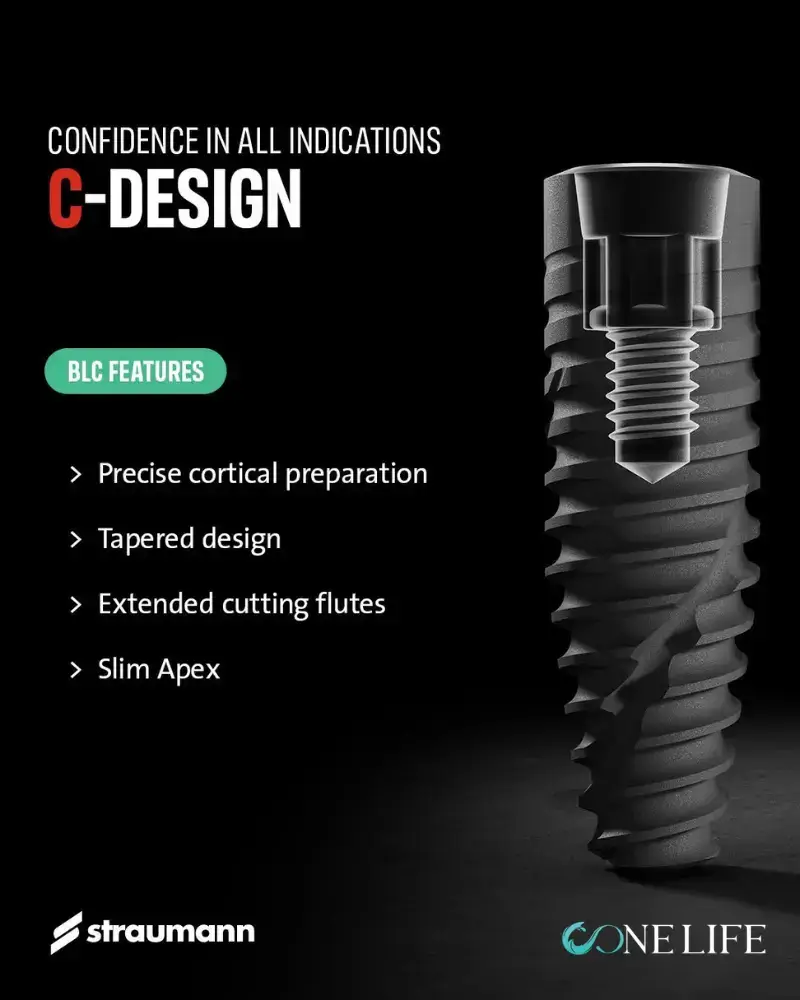
BLC — Bone Level, Conservative Cylinder
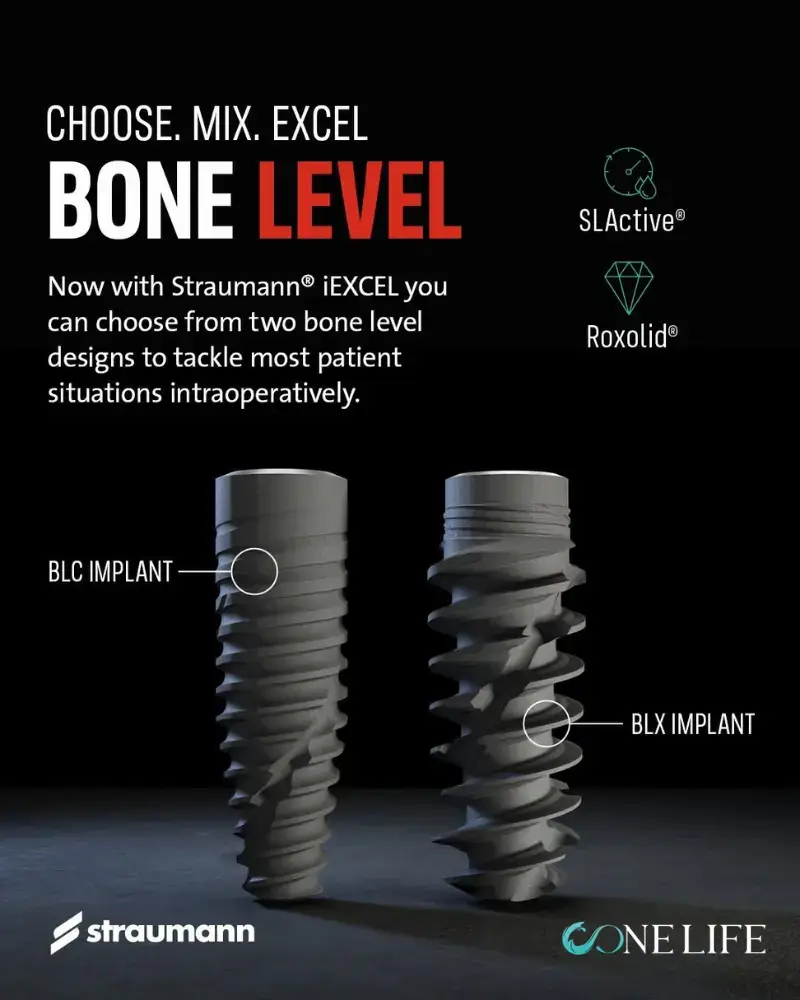
The BLC is designed for less invasive treatments, making it the preferred choice in patients who have undergone bone grafting or have regenerated tissue. Straumann Group
TLX — Tissue Level, Aggressive Taper
The TLX positions its collar at gum rather than bone level. This is the classic Straumann configuration and it carries the deepest long-term clinical evidence base. Best for: patients where soft tissue management is paramount, aesthetic front-tooth zones in certain anatomies, and cases where the surgeon prefers to minimise secondary surgical steps.
TLC — Tissue Level, Conservative Cylinder
The TLC is appropriate for Type 1 (immediate) protocols. It combines the decades-proven tissue-level design with a more conservative cylindrical body — the gentlest of the four on surrounding bone tissue. Straumann Group Best for: conventional healing protocols, patients with good bone volume, cases requiring the most established long-term clinical documentation.
Zygomatic Implants by Straumann
Zygomatic implants are a specialist solution for patients with severe bone loss in the upper jaw. Zygomatic implants anchor into the cheekbone (zygoma), providing a strong foundation as they are extra-long (typically 30–52.5mm versus 8–18mm for standard implants) and require a maxillofacial surgeon with specific ZAGA training.
Straumann offers two zygomatic variants: the ZAGA Round and the ZAGA Flat. Price in Turkey: £2,000–£4,000 per zygomatic implant (usually placed in pairs as part of a full-arch package).
How Much Does a Full Set of Straumann Implants Cost in Turkey?
A full mouth restoration using Straumann implants in Turkey costs between £7,000 and £14,000 ($8,000 to $15,000) for both arches — compared to £32,000–£50,000 in the UK and $40,000-$80,000 in the US –– for the same brand.
The two main full-mouth options are All-on-4 and All-on-6. Here is what the difference actually means clinically.
All on 4 Straumann Packages in Turkey
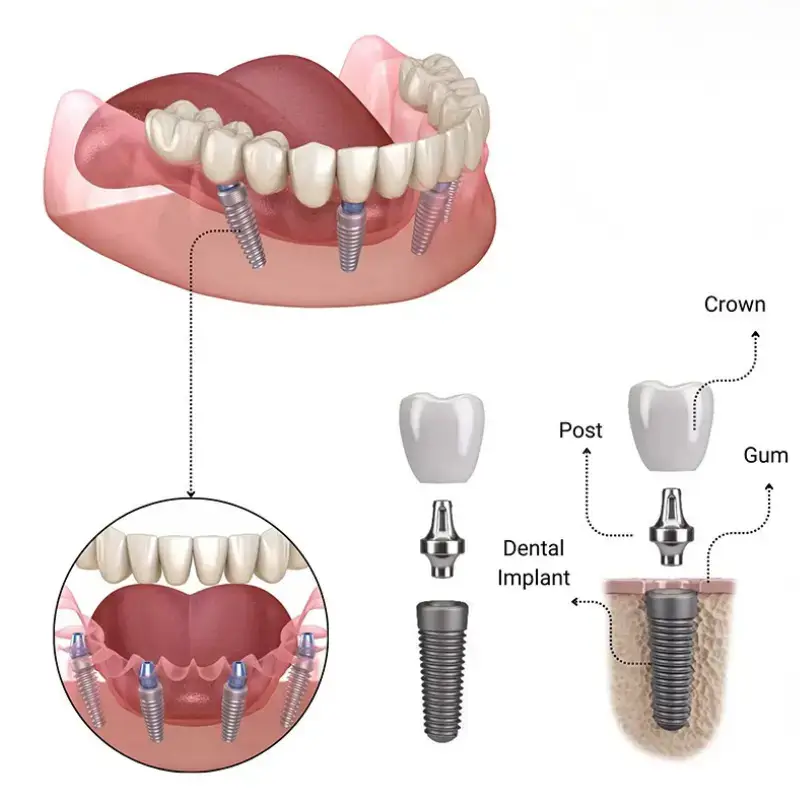
All-on-4 is a full-arch restoration technique: an entire jaw of fixed teeth, supported by just four implants. All-on-4implants in Turkey using Straumann BLX starts from £3,280 ($4,500) per arch (8 implants for both jaws), including both visits, all-inclusive.
All-on-4 is best for patients who:
- Have significant tooth loss or failing teeth across a full arch
- Want to avoid extensive bone grafting
- Are suitable for immediate loading (temporary teeth placed the same day as surgery)
- Are looking for the most cost-effective full-arch solution
All on 6 Straumann Packages
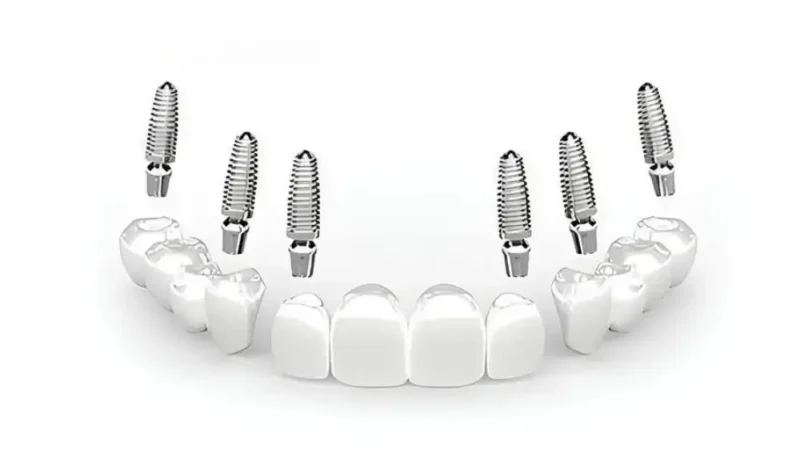
All-on-6 uses six implants per arch instead of four, all placed at vertical or near-vertical angles. All-on-6 dental implants in Turkey with Straumann starts from £4,030 ($5,500) for both jaws (12 implants), including both visits, all-inclusive.
All-on-6 is best for patients who:
- Have sufficient bone density to support six implants
- Want maximum stability for the final bridge, particularly in the upper jaw
- Are heavier chewers or have a stronger bite force
- Want the most durable long-term prosthetic foundation
All-on-4 vs All-on-6: which should you choose?
All-on-4 | All-on-6 | |
Bone requirements | Lower — angled implants compensate | Higher — more bone needed |
Bite force distribution | Great | Superior |
Best for | Bone loss cases, cost-conscious patients | Higher stability demands |
Turkey price (both arches, Straumann) | From £6,500–£9,500 | From £8,000–£13,000 |
UK equivalent | £14,000–£20,000 | £18,000–£28,000 |
What is Included in Full Mouth Dental Implants Package Deals in Turkey?
An all-inclusive Straumann package in Turkey covers treatment, temporaries, hotel accommodation, and VIP airport transfers. Always confirm in writing that abutments and the final bridge material (zirconia vs acrylic) are included.
What should be included:
- Clinical:consultation, 3D CT scan, all surgical fees, implant posts (Straumann), abutments, temporary bridge (same-day), permanent zirconia bridge, medications (antibiotics, painkillers), and follow-up appointments
- Logistics:VIP airport-to-clinic-to-hotel transfers, hotel accommodation (typically 4-star, with breakfast, for the duration of both visits), and a dedicated patient coordinator
- Documentation:written treatment plan, implant passport with REF codes, aftercare instructions, and digital X-rays to take home
How Long Do You Stay in Turkey for Dental Implants?
Dental implants in Turkey require two separate trips, with 5 to 7 days per visit, spaced 3 to 6 months apart. Healing period at home is 3–6 months. During this time, you return to your normal life and have temporary teeth. Temporaries look natural and allow you to chew and speak normally. During your second visit (4-6 days), your final teeth are placed.
What about same-day implants in a single trip?
Some patients are able to complete the entire process in one extended visit (around 1-2 months) if they meet specific clinical criteria, but this method is not appropriate for everyone. The two-trip model remains the clinical standard for the highest long-term dental implant success rates.
Dental Implants Surgery Step by Step
Most patients tell their surgeons that the anticipation was harder than the procedure. Here is exactly what happens at each stage.
Step 1 — Initial Consultation & 3D Scan
Our dentist reviews your medical history, takes 3D CBCT (cone beam) imaging of your jaw, and assesses bone density, nerve positions, and sinus anatomy.
Step 2 — Preparatory Procedures (if needed)
- Tooth extraction:if the failing tooth is still present
- Bone graft:if the jawbone lacks the density to anchor the implant securely
- Sinus lift:required when the sinus cavity sits too close to the implant site
Step 3 — Implant Surgery
The procedure is performed under local anaesthesia. You will feel pressure and movement — not pain. The entire process usually takes 1 to 2 hours per implant. For an All-on-4 or All-on-6, expect approximately 2–4 hours. Here is what happens during the surgery:
- The gum is numbed and a small incision exposes the jawbone
- A channel is drilled into the bone at the precise planned position
- The Straumann implant is seated
- The gum is stitched closed; for All-on-4/6, a temporary bridge is fitted the same day
Step 4 — Osseointegration (Healing at Home)
Over the following 3–6 months, your jawbone grows around and fuses with the titanium implant. This process is not painful — you return to your normal life, eating with temporary teeth throughout.
Step 5 — Abutment Placement & Final Crown (Visit 2)
At your second visit, the abutment is attached to the implant. Impressions are taken and your permanent crown is fabricated to match the exact colour, shape, and size of your natural teeth. The crown is then fitted, the bite adjusted, and the treatment completed.
Post-OP Recovery & Aftercare
Recovery from implant surgery is more manageable than most patients expect. The critical period is the first 72 hours.
What to expect in the first week:
- By the end of the first week, pain and swelling have typically decreased significantly.
- Swelling peaks at 48 hours. Apply cold compresses (20 minutes on, 20 minutes off) to the outside of your face for the first two days, then switch to warm compresses
- Some minor bleeding at the surgical site is normal for the first 24 hours
- Avoid strenuous exercise for at least one week after surgery
Diet — what to eat and what to avoid:
Phase | Recommended | Avoid |
Hours 0–48 | Cold liquids, broths, smoothies, yogurt, ice cream | Hot foods, straws, alcohol, carbonated drinks |
Days 3–14 | Soft foods: scrambled eggs, mashed potato, soft fish, pasta | Hard, crunchy, chewy, or spicy foods |
Weeks 2–12 | Gradually reintroduce normal textures | Biting hard objects, chewing on surgical side |
After osseointegration | Unrestricted — all foods | No long-term restrictions |
The non-negotiables of aftercare:
- Do not smoke. Smoking, uncontrolled systemic conditions, and infection are the factors most commonly associated with poor osseointegration and implant failure. If there was ever a time to stop, this is it.
- Do not use a straw for at least 72 hours
- Oral hygiene: brush gently around the implant site from day 7, using a soft-bristled brush and non-abrasive toothpaste. Use an antibacterial mouthwash daily
- Take the full antibiotic course provided by your clinic without skipping doses
- Keep your head elevated with two pillows when sleeping for the first 48 hours to reduce swelling
When to contact your clinic:
Contact your clinic immediately if you experience increasing pain after day 3 (rather than decreasing), a fever above 38°C/100.4°F, persistent or heavy bleeding, or the implant feeling loose.
How Long Do Straumann Implants Last?
With proper care, Straumann implants are designed to last a lifetime. A retrospective study of 1,692 Straumann implants found 10-year survival rates of 98.23%. A separate peer-reviewed meta-analysis confirmed that dental implant survival rates exceed 90% even after ten years, with Straumann consistently sitting above the industry average. PubMednih
To put those numbers in context:
Timeframe | Straumann survival rate (clinical data) |
5 years | 98–99% |
10 years | 97–98% |
12–23 years | 88% (complex university hospital cases) Wiley Online Library |
International Guarantees by Straumann®
The Straumann guarantee is one of the most comprehensive (it lasts a lifetime!) — and it travels with the implant regardless of where it was placed.
Here is exactly what it covers:
Straumann® Lifetime Guarantee
The standard guarantee on all Straumann implants applies for the lifetime of the patient and covers the implant in case of breakage. The Straumann Guarantee covers the replacement of original Straumann implants, abutments attached to these implants, as well as tooth-supported and implant-supported restorations.
Straumann® Lifetime Plus Guarantee (Roxolid® and PURE Ceramic implants)
This is an extension of the standard guarantee, exclusive to Roxolid and PURE Ceramic implants. In addition to product replacement, it provides a monetary contribution toward follow-up treatment costs in the case of implant fracture — the average is CHF 1,000, varying by country depending on local dental charges. Straumann is the first leading dental implant manufacturer to offer a warranty covering both the product and a contribution to treatment costs.
Conditions to keep the guarantee valid:
- Only original Straumann products must be used — non-Straumann abutment voids the guarantee entirely.
- A completed guarantee claim must be submitted within 90 days of the event, and the failed product must be returned in sterilised condition.
- The implant must have been placed by a qualified clinician following Straumann’s instructions for use
What the guarantee does NOT cover:
- Associated treatment costs such as chair time, lab fees, or anaesthesia — only the replacement component itself (except under Lifetime Plus)
- Implant failure due to patient negligence, poor oral hygiene, or failure to attend follow-up care
- Non-original components or products from other manufacturers used alongside the Straumann implant
Guarantee For Patients Treated in Turkey
The Straumann guarantee is issued to the treating clinician, not directly to the patient. Your implant passport — with REF code, LOT number, and placement date — is your evidence. Keep it permanently. If you need further treatment at a different clinic in the future, present this document and the new clinician can verify the guarantee status directly with Straumann.
Straumann Dental Implant Reviews From Real Patients
Patient reviews of Straumann implant treatment in Turkey consistently highlight three themes: the price difference versus home, the clinical quality of the result, and — when things go well — the ease of the experience as a whole.
What patients typically report:
- Significant cost savings — often between £3,000 and £15,000 depending on the scale of treatment
- Comparable or superior clinical experience to their home country
- The importance of choosing an accredited clinic with a dedicated patient coordinator
- Mild discomfort in the first 48–72 hours, manageable with standard over-the-counter pain relief
- Temporary teeth that function well during the healing period
What to look for in reviews before booking:
- Verified reviews on Google, Trustpilot, or independent platforms — not only testimonials on the clinic’s own website
- Before-and-after photographs with dates
- Mention of specific implant brands used (confirms the patient received what was promised)
- Reviews from patients with similar cases to yours (single implant vs. All-on-4, similar health profile)
- How the clinic responded to any negative reviews — this tells you more than the positive ones
At OONE LIFE, patient reviews are available on Google and can be verified independently. Our US-trained maxillofacial surgeons work exclusively with verified Straumann implants — REF codes provided before treatment.