Dental Implants: The Definitive Guide to Verified Materials, Digital Procedure and 10-Year Guarantee
A dental implant is the only modern solution that replaces the entire root tooth structure, allowing bone to fuse directly with the fixture (Osseointegration) with a documented 95% to 98% success rate.
In this definitive guide by Dr. Tarkan, we analyze the best brands and types of dental implants (including full mouth all on 4 solutions), break down their costs in the UK and in Turkey, detail the Computer-Guided Surgery and disclose how you can verify you receive original Straumann dental implants and not counterfeit materials.
Key Takeaways:
- A dental implant is the only tooth replacement that involves replacing the tooth root.
- Modern dental implants have a verified 95% – 98% success rate over 10 years in healthy patients.
- A premium-brand implant that costs £3,000 – £4,500 in the UK costs up to 83% less in Turkey.
- OONE LIFE DENTAL provides a certified 10-Year Guarantee on the fixture and restoration, backed by premium materials.
The Anatomy of a Dental Implant: What Are Dental Implants?
A dental implant is a three-part, high-precision bionic system designed to function, feel, and look identical to a natural tooth. It is the only treatment in modern dentistry that addresses both the missing crown (the visible tooth) and the missing tooth root.
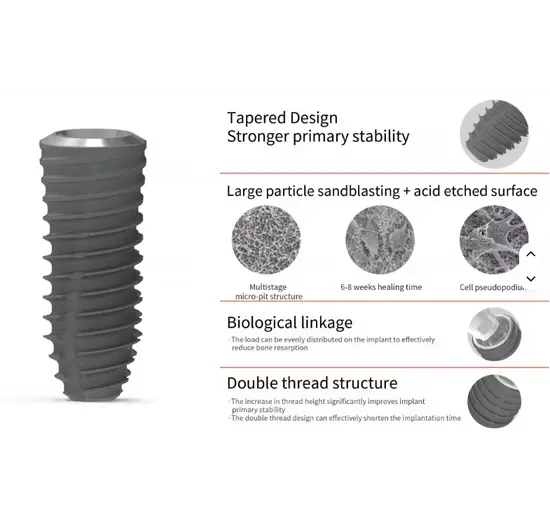
The entire system is founded on a singular biological principle: Osseointegration, which is the ability of your jawbone to accept and integrate with a medical-grade material—typically titanium or zirconia.
The 3 Components: Crown, Abutment and Fixture
There are three independent, high-precision components to the dental implant system:
The Crown (Prosthesis)
The final, visible “tooth”, custom-made to match the color, shape, and structure of your natural teeth. Dental crowns are made of materials like Full Zirconia, IPS e.max, or Porcelain-Fused-to-Metal (PFM). Its function is to restore full chewing ability and aesthetics.
2. The Abutment
A precision intermediary post that screws into the top of the fixture and protrudes through the gum line. Made of Titanium, Zirconia, or Gold Alloy. Its function is to link the permanent implant post to the final visible crown or bridge.
3. The Implant (Fixture)
The small, screw-like component surgically placed directly into the jawbone. It is the artificial tooth root.Made of Medical-Grade Titanium or Zirconia. Its function is to fuse with the bone (Osseointegration) to provide an immovable, stable anchor.
Screwless Dental Implants
The term “screwless dental implants” refers to prosthetics that are secured using dental cement rather than a screw (cement-retained). Most leading surgeons, including Dr. Tarkan, prefer the screw-retained method for the health and longevity of your investment. The screw-retained method allows dentists to perform deep professional cleaning. This is crucial for preventing Peri-Implantitis, which ensures your 10-Year Guarantee is upheld.
The Core Principle: Osseointegration
Osseointegration transforms a titanium post into a permanent part of your anatomy. It is the spontaneous process where living bone cells fuse directly with the micro-textured surface of the implant fixture.
- Longevity & Stability: Once successfully completed, the implant fixture is locked immovably into the jawbone, resulting in a foundation that is as strong as, or stronger than, a natural tooth root.
- The Healing Phase: This process requires a dedicated healing period, typically lasting 3 to 6 months, during which the jawbone rebuilds itself around the implant.
Types of Dental Implants: Which One is Best for You?
There is a wide range of dental implants, each tailored to a specific level of tooth loss, bone density, and anatomy. Choosing one type over another will also greatly affect costs.
Full Arch: All-on-4, All-on-6 and All-on-8
When a patient is missing an entire arch of teeth (Full Mouth Implants), the goal is to replace all 10-12 teeth using the minimum number of fixtures required for optimal stability. This is the All-on-X concept.
All-on-4® Dental Implants
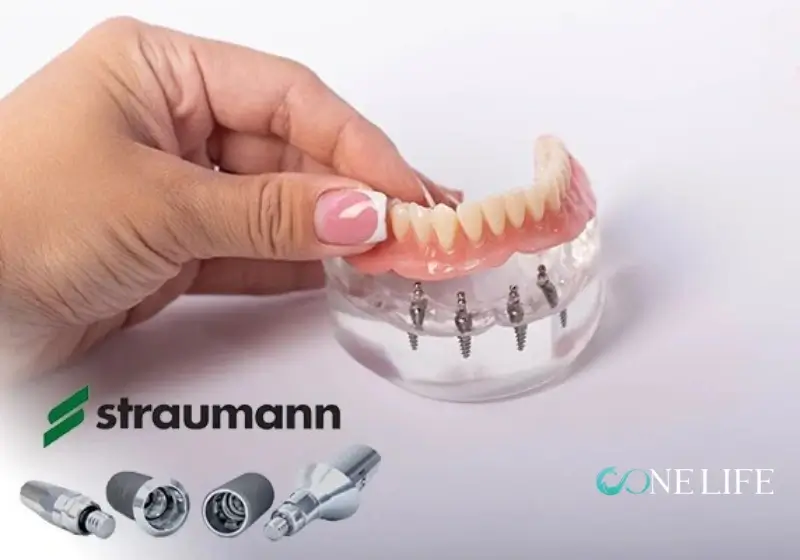
The Nobel Biocare-patented All-on-4 technique utilizes only four strategically placed implants to support an entire full-arch prosthesis (bridge).
- The two posterior (back) implants are placed at a 45-degree angle, allowing the surgeon to leverage the denser bone in the front of the jaw, often bypassing the need for extensive bone grafting in the back.
- It is often an immediate load solution, meaning a fixed, non-removable temporary bridge can be attached the same day as surgery.
All-on-6 and All-on-8: Maximizing Stability
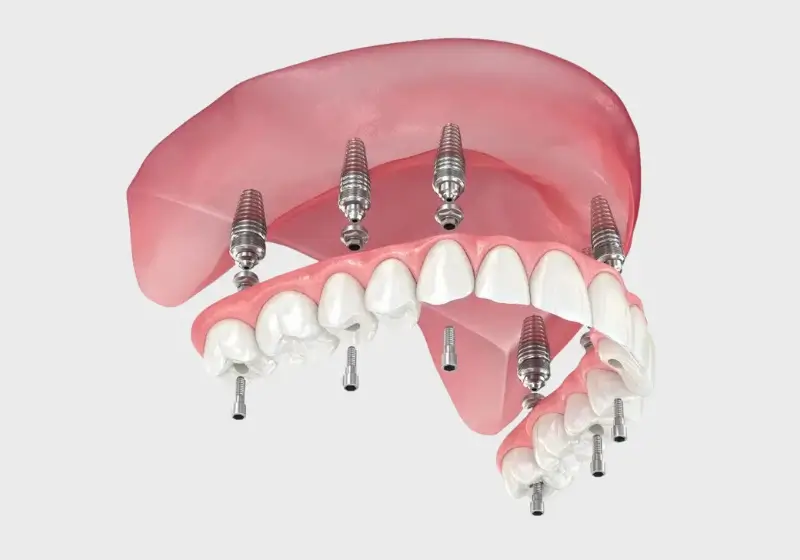
While All-on-4 is excellent, utilizing six or eight implants per arch is often the optimal choice for maximum longevity, stability, and load distribution, especially when bone volume permits.
System | Implants per Arch | Ideal for… | Key Advantage |
All-on-4 | 4 | Patients with moderate bone loss. | Minimizes grafting and allows for immediate temporary bridge loading. |
All-on-6 | 6 | Standard full arch replacement with good bone density. | Superior Load Distribution and less stress per implant, leading to increased long-term success. |
All-on-8 | 8 | Patients with minimal bone loss who require the highest possible level of chewing strength. | Ultimate Stability, often preferred for patients with strong opposing natural teeth. |
Specialized Implants for Severe Bone Loss
In cases of advanced bone atrophy and dental decay, the available jawbone may not be deep or wide enough to support standard Endosteal Implants. In these situations, OONE LIFE DENTAL utilizes advanced grafting and specialized implant types:
Procedure / Implant Type | Purpose | When is it Used? |
Bone Graftingfor Dental Implants | A surgical procedure to add bone material (synthetic or natural) to the jaw. | When the bone width/depth is insufficient for standard Osseointegration. It adds a 4-6 month healing phase before implant placement. |
Sinus Lifting | A specific type of grafting that raises the sinus membrane to create new bone volume in the upper jaw (maxilla). | Necessary when the maxillary sinus cavity has expanded into the area where upper back implants are needed. |
Zygomatic Implants | Long implants that anchor into the dense Zygoma (cheekbone) instead of the jawbone. | The ultimate last resort for patients with total, non-restorable bone loss in the upper jaw. |
Dental Implant Brands & Materials: What Are Dental Implants Made Of?
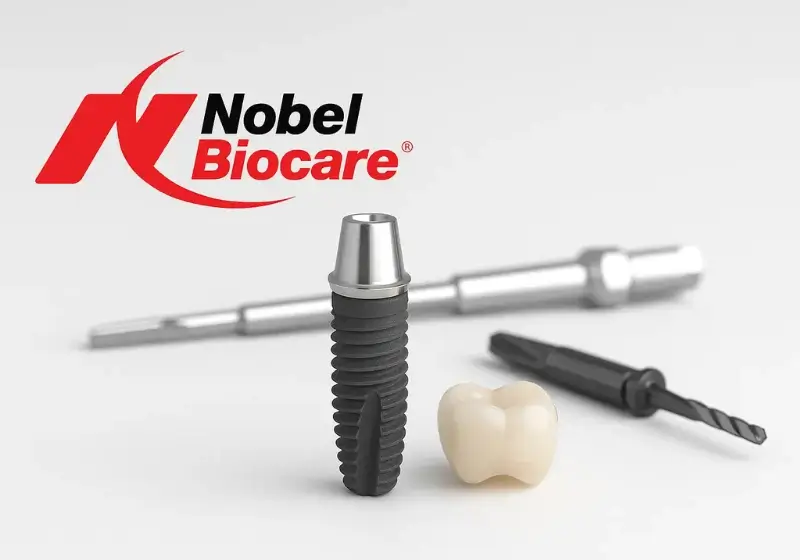
When investing in implants, the material is the biggest factor determining longevity and success. OONE LIFE DENTAL’s authority rests on our commitment to world-leading brands and highest-quality materials, achieving our 95% to 98% success rate.
The Best Dental Implants Brand: Trust by Verification
In implantology, brand matters. It represents decades of research, quality control, and clinical success. We utilize premium, globally recognized brands known for their decades-long record of success and material purity.
Implant Brand | Country of Origin | Key Advantage |
Straumann | Switzerland 🇨🇭 | The global leader. Known for innovative surfaces (like Roxolid and SLActive) that accelerate Osseointegration and reduce healing time. |
Nobel Biocare | Switzerland / Sweden 🇸🇪 | A pioneer in modern implantology, famous for developing the All-on-4 technique and providing highly versatile systems. |
Alpha-Bio Tec | Israel 🇮🇱 | An established, reliable brand under the Nobel Biocare umbrella, offering a highly cost-effective and clinically proven system for standard cases. |
Are They Authentic Straumann Dental Implants? The REF Code Verification
In many medical tourism destinations, patients are promised ‘Swiss implants’ but receive cheap, unverified copies. OONE LIFE DENTAL eliminates this risk with our Material Authenticity Guarantee.
Every patient receives their implants in their original, sealed manufacturer packaging. This packaging contains two identifiers:
- The REF Code
- The LOT Code
How You Verify Your Implant:
Take these two codes and use the manufacturer’s online verification tool (on Straumann’s official website), so they send you an official confirmation. This ensures 100% material traceability.
Aquí podría venir algo muy muy breve que sirva de lead magnet. Una fracesita con una foto de paciente, con precio, y que vino de EEUU.
Implant Materials: Titanium vs. Zirconia
Dental implant fixtures are predominantly made from two materials, each with distinct advantages. Your choice depends on the load requirements and aesthetic goals.
Material | Key Properties & Composition | Ideal Use |
TitaniumDental Implants | Biocompatible, strong, flexible, 50+ years with a success rate exceeding 95%. | Posterior (back) teeth and full-arch solutions (All-on-4/6). |
ZirconiaDental Implants | A high-performance ceramic (metal-free). White in color, highlyaesthetic. Offers excellent soft tissue response. | Interior (front) teeth or patients with extremely thin gum tissue. |
Dental Crown & Bridge: The Aesthetics
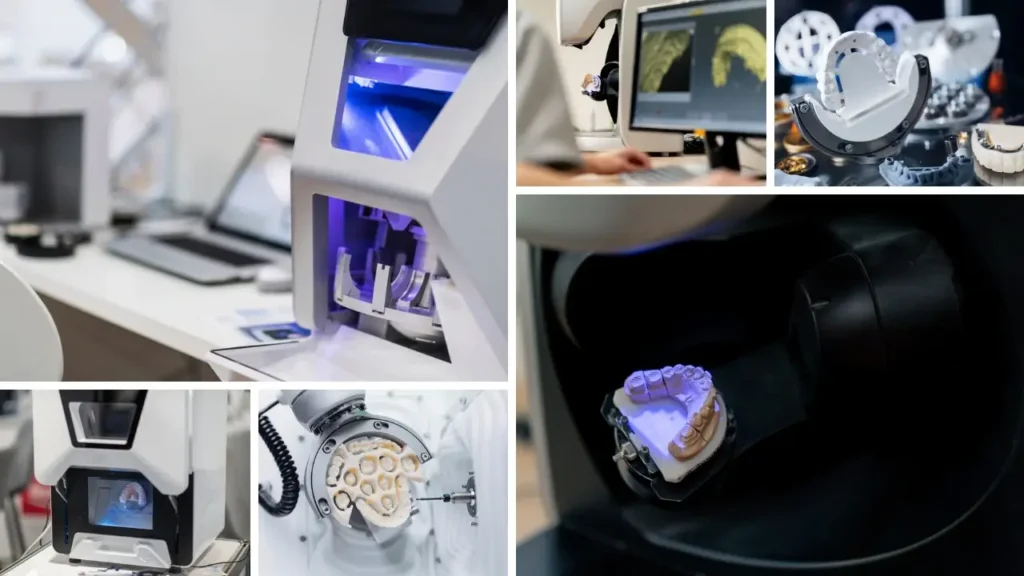
The visible part of your implant restoration (the crown or bridge) determines the final look, feel, and durability of your new smile. All our final restorations are milled in our in-house ComfyDent Laboratory, ensuring a perfect, customized fit.
Restoration Material | Description | Longevity & Aesthetics |
Full Zirconia | A solid block of extremely durable ceramic, digitally milled to exact specifications. | Maximum Strength & Aesthetics. The ideal choice for full-arch bridges. OONE LIFE’s standard for full mouth restoration. |
IPS e.max | A highly aesthetic lithium disilicate ceramic. Famous for its glass-like translucency. | Superior Aesthetics. Perfect for individual crowns and veneers in the front of the mouth to mimic natural enamel. |
Porcelain Fused to Metal (PFM) | An older method where porcelain is layered over a metal alloy base (often chrome-cobalt). | Reliable, Cost-Effective. Still very durable, but the opaque metal base can compromise aesthetics. |
Dental Implant Surgery: The Process Step by Step
The journey and the dental implants procedure usually spans several months to allow for essential healing. At OONE LIFE DENTAL, every step is executed using a digital workflow, prioritizing safety, accuracy, and predictability over traditional, risk-prone manual methods.
Step 1: Digital Diagnostics and Planning
This is the most critical stage, where potential risks are entirely mitigated before the first incision is made.
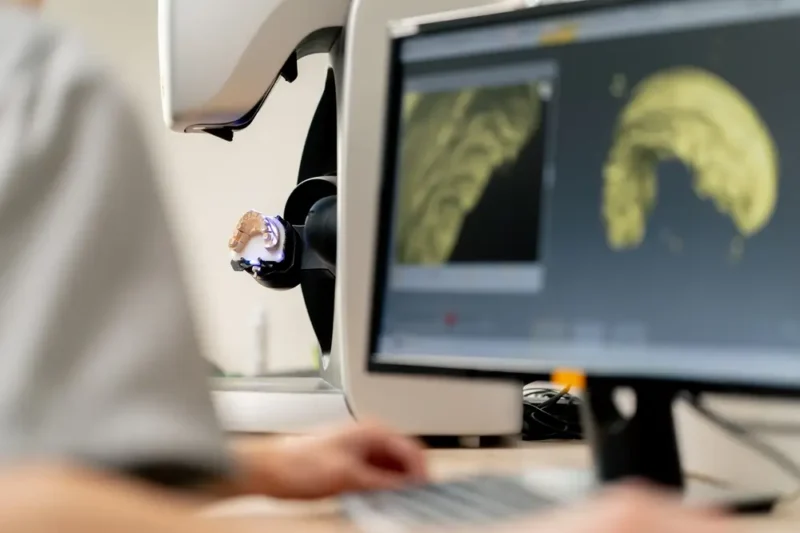
- 3D CBCT Scan: Your journey begins with a Cone-Beam Computed Tomography (CBCT) scan. Unlike a standard 2D X-ray, the CBCT provides a detailed, 3D topographical map of your entire jawbone, including the density, the exact location of vital nerves (e.g., the Mandibular Nerve), and the precise boundaries of the sinus cavities.
- Virtual Surgery: Tarkan uses specialized software to perform the surgery virtually first. This allows him to digitally select the optimal implant size, angle (0.1∘ accuracy), and depth, maximizing bone contact while guaranteeing safe margins around anatomical features.
Step 2: Preparation (Only If Bone Volume is Missing)
If the digital planning reveals insufficient bone to securely anchor the implant fixture, a preparation step must be completed. Skipping this step guarantees implant failure.
- Bone Grafting for Dental Implants: adds bone volume (using synthetic, animal, or donor material) to areas lacking density or height.
- Sinus Lifting (Sinus Augmentation): A specific grafting technique used exclusively in the upper jaw (maxilla) to raise the sinus floor and create the necessary vertical bone height for implants.
- Healing Phase: If grafting is required, the site must heal for 4–6 months before the actual implant surgery can proceed. In some minor cases, grafting can be performed concurrently with implant placement.
Step 3: Implant Placement (Dental Implant Surgery)
The surgical phase is often much faster and less invasive than patients anticipate, thanks to digital planning.
- Anesthesia: The procedure is typically performed under local anesthesia (the area is numb, but you are awake), but sedation options are available.
- Computer-Guided Surgery: A custom surgical guide (a template 3D-printed in our ComfyDent Laboratory) is placed over the gums. This guide contains pre-drilled holes that precisely match the angle and depth planned in the digital blueprint. The guide often allows for suture-less surgery, leading to less swelling and faster recovery.
- Procedure Time: Placement time varies, but due to the guided surgery, a single implant fixture can often be placed in as little as 20–30 minutes.
Step 4: Osseointegration – Dental Implant Recovery and Healing Stages
This stage is the required waiting period for the biological fusion to occur.
- Osseointegration: During this 3 to 6-month healing phase, the implant fixture fuses with the surrounding bone. This process is silent and painless.
- Immediate Aesthetics (Temporaries): For visible implants (especially in full mouth cases), a fixed temporary crown or bridge is typically placed on the same day, ensuring you never leave the clinic without teeth.
- Recovery: Initial recovery (managing swelling and mild discomfort) usually lasts 3–7 days. Full recovery of soft tissue takes a few weeks.
Step 5: Abutment and Final Crown Placement
Once osseointegration is confirmed via a final X-ray, the fixed, permanent crown or bridge is attached.
- Dental Abutments: The healing cap is removed, and the final abutment (the connector piece) is attached to the implant fixture.
- Dental Crowns: The permanent custom Zirconia or IPS e.max crown/bridge, precision-milled in the ComfyDent Lab, is permanently secured to the abutment.
Dental Implants Before and After
Full Arch Zirconium & Botox
All on 6 e.max Dental Implants
All on 4 Porcelain-Coated Zirconium
How Much Do Dental Implants Cost?
Dental implants are a significant investment. Yet a single, premium-brand implant that costs £3,000 – £4,500 in the UK can cost up to 83% less in Turkey. This price may seem worthwhile, but it is essential to compare the quality of the materials and the surgical expertise, rather than just the final dental implants price.
How Much is a Whole Set of Dental Implants in the UK?
When comparing the cheapest dental implants in England and the UK, it is crucial to look at the all-inclusive price of the entire treatment, not just the cost of the implant fixture itself. The cost of a dental implant procedure includes four components:
Component | UK High Street Price (Average) | Turkey (OONE LIFE DENTAL) |
1. The Implant Fixture (Material) | £1,000 – £2,000 | £400 – £750 |
2. The Abutment and Crown | £1,500 – £2,500 | £100 – £350 |
3. Surgeon & Clinic Fees | £500 – £1,500 | Included in Package |
4. Diagnostic (CBCT Scan, X-rays) | £100 – £300 | Included in Package |
Total Cost (Single Implant) | £3,100 – £6,300 | £500 – £1,100 |
With every component adding to the price list bit by bit, the dental implant cost for the whole mouth in the UK totals around £16,000+ (and this only includes the implants).
Full Mouth Dental Implants in Turkey: All-Inclusive Package Price
All-on-4 ImplantSwiss
- 8 ImplantSwiss Implants
- 20 Porcelain-Coated Zirconium Crowns
- 4-Star Hotel (10 Nights)
- VIP Airport Transfers
- 10 Year Guarantee
All-on-4 Straumann Implants
- 8 A+ Straumann Implants
- 20 Emax Crowns
- 5-Star Hotel (10 Nights)
- VIP Airport Transfers
- Lifetime Guarantee
All-on-4
Bego Implants
- 8 German-Made Bego Implants
- 20 Porcelain-Coated Zirconium Crowns
- 4-Star Hotel (10 Nights)
- VIP Airport Transfers
- 10-Year Guarantee
All-on-6 ImplantSwiss
- 12 ImplantSwiss Implants
- 20 Porcelain-Coated Zirconium Crowns
- 4-Star Hotel (10 Nights)
- VIP Airport Transfers
- 10 Year Guarantee
All-on-6 Straumann Implants
- 12 A+ Straumann Implants
- 20 Emax Crowns
- 5-Star Hotel (10 Nights)
- VIP Airport Transfers
- Lifetime Guarantee
All-on-6
Bego Implants
- 12 German-Made Bego Implants
- 20 Porcelain-Coated Zirconium Crowns
- 4-Star Hotel (10 Nights)
- VIP Airport Transfers
- 10-Year Guarantee
Full Arch Implants represent the highest value proposition for medical tourism patients, as the total cost savings increase exponentially with the number of implants. Simply put, you get the exact same product, from the exact same implant brand, and pay a fraction of the cost. Great attention must be paid to the clinic and dentist, however. Should all due diligence end satisfactorily, full mouth dental implant package deals in Turkey can proof to be extremely advantageous.
Full Arch Solution | Estimated UK Cost (Premium Brand) | OONE LIFE DENTAL Package Price |
All-on-4 (Upper or Lower Arch) | £12,000 – £18,000 | £2,450 – £4,500 |
All-on-6 (Upper or Lower Arch) | £16,000 – £22,000 | £3,150 – £5,500 |
Full Mouth Restoration (Upper & Lower) | £30,000 – £45,000+ | £4,950 – £12,000 |
Note: OONE LIFE DENTAL packages typically include 5-star hotel accommodation, private transfers, the final Zirconia bridges, and the 10-Year Guarantee.
Why are Dental Implants so Cheap in Turkey?
The vast price difference is a result of structural economic factors:
- Lower Operating Costs: This is the single biggest factor. The cost of utilities, rent, clinical staff salaries, and laboratory fees in Turkey are significantly lower, sometimes by as much as 500%.
- Government Incentives & Subsidies: The Turkish government views medical tourism as a major source of revenue, leading to lower taxation, lower material import duties, and general support for the sector.
- High Volume: Clinics like OONE LIFE DENTAL purchase hundreds of implants and materials from Straumann or Nobel Biocare. This grants a massive bulk discount.
Crucial Fact: The cost of the physical implant fixture from a premium brand is similar worldwide. The final patient price is determined by the local cost of labor, clinical overhead, and taxation.
Global Standards: Dental Implants by Country
The difference in cost for dental implants is often perceived as a difference in quality. This prevents many patients from seeking permanent solutions. The quality of a premium implant (such as Straumann), is standardized globally. What differs is the cost of overhead, taxation, and the clinical workflow.
The UK and US Model
The local model prioritizes convenience but imposes financial and logistical burdens, often prolonging treatment timelines.
Factor | UK (Average) | US (Average) |
Cost (Single Implant) | £2,000 – £6,300 | $3,000 – $5,000 |
Aftercare & Warranty | Generally high-quality, but local-only. Warranty often covers clinical work, not materials (which must be secured from the manufacturer). | Varies widely by state and practice. Costs for unexpected aftercare can be high. |
Full Arch Cost (All-on-4) | £14,000 – £24,000 | $20,000 – $40,000 |
The Turkish Model: European Providers and Local Experts
Turkey, specifically Istanbul and Antalya, has become the global leader in dental tourism by adopting an integrated, high-volume, and high-quality model. The focus is on providing premium European brands and expertise under a value-based cost structure.
Factor | Turkey |
Cost (Single Implant) | £300 – £1,050 |
Regulation | Turkish Ministry of Health regulated clinics must adhere to CE and ISO standards, which align with European guidelines for materials and hygiene. |
Transparency | REF Code Material Guarantee provided for every implant fixture, allowing patients to verify the product’s authenticity directly with the manufacturer. |
The Risk of “Same Day Dental Implants”
The promise of “Same Day Dental Implants” or “Teeth in a Day” is often advertised aggressively in the dental tourism market, but it is one of the biggest risks to the long-term success of your implant. The success of a dental implant relies on the healing period (osseointegration, the fusion of the bone and the titanium). This process cannot be accelerated beyond what your body dictates.
The term “Same Day” should only refer to the temporary fix, not the final restoration. If a permanent crown or bridge is placed before healing is complete (in 3-6 months), any micromovement caused by biting disrupts osseointegration, leading to the implant loosening and being rejected by the body.
Understanding the Risks of Implant Failure
While dental implants boast a verified 95% to 98% long-term success rate in healthy patients, failure is possible. Most failures are preventable and fall into two categories:
Type of Failure | Cause | How OONE LIFE DENTAL Mitigates the Risk |
Early Failure (Initial 3-6 Months) | Lack of Osseointegration: Caused by poor surgical technique, poor bone density, or immediate (premature) loading of the implant. | Computer-Guided Surgery eliminates poor technique. 3D CBCT scans verify bone density. Strict two-stage protocolprevents immediate loading. |
Late Failure (Years 1-10+) | Peri-implantitis: A disease similar to periodontitis (gum disease) around the implant, caused by poor oral hygiene and lack of follow-up care. | Patient Education: Providing clear, comprehensive post-op and maintenance instructions. Premium Materials: Using Straumann/Nobel Biocare with superior surface technology for better tissue health. |
Why Are Dental Implants Better Than Dentures?
A Denture is a removable prosthetic designed to replace missing teeth and surrounding tissue. While cheap upfront, they are a temporary solution that causes long-term problems.
Feature | Dentures (Removable) | Dental Implants (Fixed) |
Stability & Function | Function at less than 25% natural chewing efficiency. | Function at 95%+ natural chewing efficiency. |
Bone Health | Failure. They rest on the gum line, accelerating bone atrophy (loss of jawbone volume) over time. | Success. The fixture stimulates the jawbone (Osseointegration), preventing bone loss. |
Maintenance | Messy adhesives, nightly removal, scraping food particles. | Brushed and maintained exactly like natural teeth. Non-removable. |
Longevity | Must be replaced, adjusted, or relined every 5–7 years as the jawbone shrinks. | Designed to last a lifetime with proper care and maintenance. |
The Bottom Line: Dentures solve an aesthetic problem for a short time, but they fail the requirement for long-term oral health by accelerating bone loss.
Why Dental Implants and not Traditional Bridges?
A Traditional Dental Bridge uses the healthy teeth adjacent to the gap as anchors for a fixed false tooth. It is often considered a “quick fixed” alternative to implants, but at a biological cost.
Feature | Traditional Bridge | Single Dental Implant |
Impact on Healthy Teeth | Destructive. Requires grinding down (shaving) the two adjacent healthy teeth to fit the crowns that anchor the bridge. | Preservative. The implant is a standalone unit and leaves all adjacent teeth untouched. |
Bone Health at the Gap | Fails to stimulate bone at the gap, leading to localized bone loss and gum recession. | The implant fixture stimulates the bone, preventing recession and collapse. |
Maintenance | Difficult to floss and clean underneath the bridge, often leading to decay in the adjacent anchor teeth. | Easy to clean and floss around, just like a natural tooth. |
Longevity | Typically lasts 10–15 years, but often requires replacement when one of the anchor teeth eventually fails. | Lifetime solution if the initial osseointegration is successful. |
The Bottom Line: A traditional bridge damages two healthy teeth to fix one missing tooth, creating potential new failure points. A dental implant is an independent, single-tooth replacement that leaves your existing, healthy anatomy intact.
Dental Implants for Seniors
Some say that age is a barrier to receiving dental implants. This is false. Implants are often the ideal solution for older adults.
- Age is Not a Factor: Whether a patient is 40 or 80, the Osseointegration ability remains high. The decisive factor is the patient’s general health status, not their chronological age.
- Key Health Requirements: If you have well-managed diabetes, are cleared for minor surgery, and are not taking medications like certain blood thinners or osteoporosis drugs, you are likely a candidate.
- The Best Time to Act: The longer you wait, the more bone atrophy occurs due to denture use, increasing the complexity and cost (requiring more bone grafting). Acting now preserves the bone you have left.
Ideal Solutions for Full Arch Loss in Senior Adults
The goal for seniors with complete tooth loss is to replace their old dentures with a stable, fixed solution.
- All-on-4® and All-on-6: These full-arch solutions are perfectly suited. They utilize the remaining bone in the front of the jaw to anchor a full set of teeth, often eliminating the need for bone grafting.
- Fixed Bridges: The resulting fixed Zirconia bridge is non-removable, allowing patients to regain the ability to eat any food confidently.
Best Dental Insurance for Implants
For UK and US patients, covering implants through insurance is a big frustration. Most plans provide minimal assistance.
- Many insurance companies classify implants as a cosmetic procedure, immediately disqualifying them from coverage.
- Even if partially covered, most UK and US dental insurance policies have low annual maximum benefits (often between £1,000 and £1,500 in the UK, or $1,500 and $2,000 in the US).
- Plans often impose long waiting periods (12–24 months) for procedures like implants.
Why Choose OONE LIFE DENTAL for Your Dental Implants?
If you are serious about a permanent dental solution, our commitment to transparency and clinical excellence makes us the definitive choice.
- REF Code Material Guarantee: We are one of the few clinics globally that insists on providing the original, sealed packaging with the REF and LOT codes for every premium implant (Straumann, Nobel Biocare).
- Specialist Surgical Expertise: Your implant surgery is performed by an experienced Oral Surgeon, Dr. Tarkan, who specializes in complex implantology and full-arch restoration.
- Integrated Digital Workflow: We own and operate the ComfyDent Laboratory, an in-house milling facility. This integration means no time is lost sending molds to external labs, ensuring faster turnaround times, superior material matching, and complete quality control.
- Unbeatable, Transparent Value: You receive the identical, globally recognized premium implant fixture used in the UK/US, with up to 83% savings due to Turkish economic and operational efficiencies.
- Certified 10-Year Warranty: We back our commitment with a signed 10-Year Guarantee.
FAQs