
Fear of pain is among the main reasons why patients postpone dental treatment, often with disastrous results. Fear is only normal, however: many people are afraid of the dentist, and dental implant operations can last several hours. Funnily enough, dental implant surgery is far less painful than most patients expect. In fact, many of our patients are often happily surprised of how painless the operation actually is.
At OONE LIFE, we reassure patients of how life-changing results are for such a smooth surgery. Which is why below, we will look in detail at all aspects of dental implants fear, pain and pain management at all stages: before, during and after surgery. We will also read real patient comments to give you the most realistic idea of how much do dental implants hurt. Remember: having clear expectations takes much of the stress away and helps reduce fear and pain substantially.
What Is the Most Painful Part of Dental Implants?
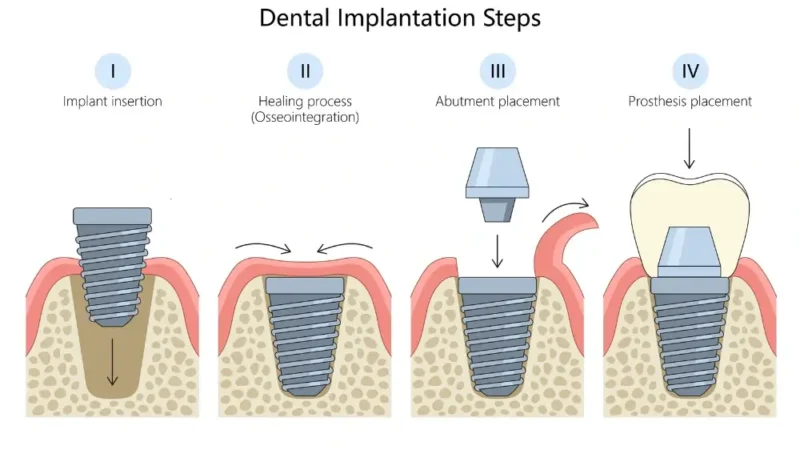
The most painful is the 24-72h after surgery, not the surgery per se. During the procedure, you are under anaesthetia. On a 0 to 10 pain scale, dental implant surgery could be a 1. Once sedation wears off, however, you will start feeling post-op pain, but this will only last for 1-3 days and is easily managed with painkillers such as Ibuprofen.
Note: patients requiring bone grafting or sinus lift can experience more intense post-op healing. However, painkillers keep pain at a minimum even in these cases.
Pain During the Procedure
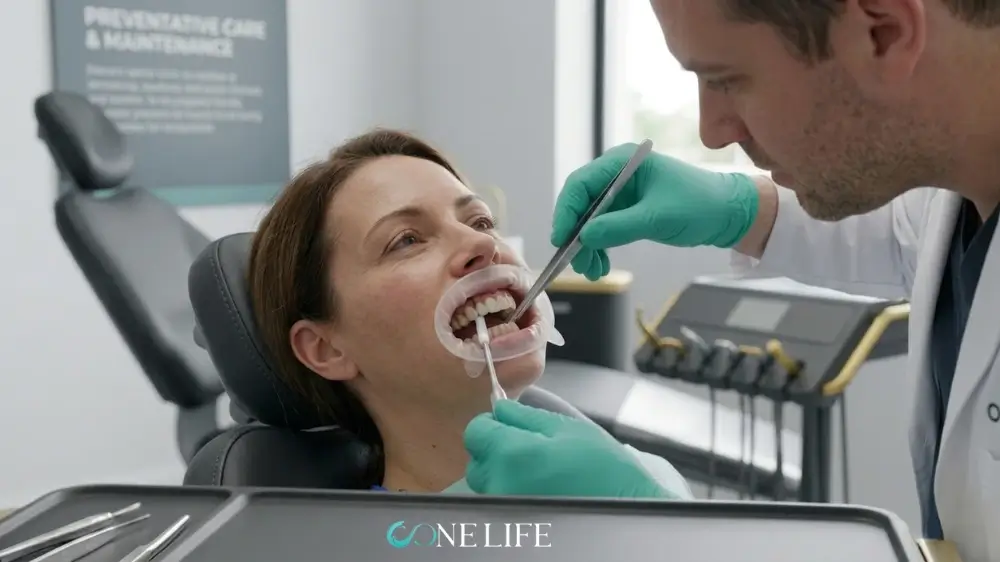
Patients say that dental implant surgery feels similar to tooth filling, that is how mild pain actually is. The whole mouth is numbed while the operation unfolds, ensuring that you feel no pain during the 3 steps of surgery:
- The gum tissue is opened to expose the jawbone
- A small channel is drilled into the bone
- The dental implant is inserted and the gum is sown around it
For patients with anxiety, sedation is also available (even IV sedation for full mouth implants).
How Long Does the Procedure Take? 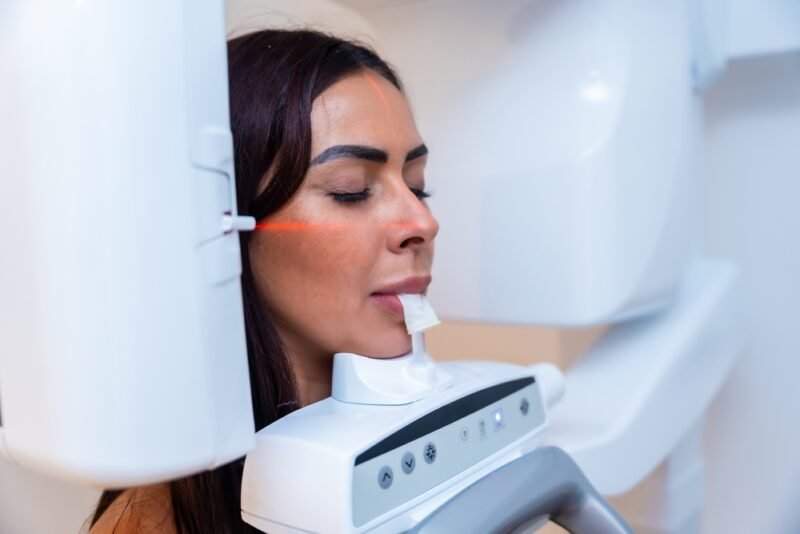
A single dental implant takes between 30 and 60 minutes. If you are having a full arch, All-on-4 or All-on-6 typically take from 2 to 4.5 hours.
- One dental implant: 30–to-60-minute surgery
- Full Arch (per arch): 2-to-4.5-hour surgery
How Long Does Dental Implant Recovery Take?
Most patients are back to normal within 3 to 7 days. This varies depending on the number of implants, bone quality, and whether bone grafting was required.
Does it Hurt After the Procedure?
Anaesthesia wears off roughly 3 to 5 hours post-op. This is when you will first notice soreness, swelling and sensitivity.It is the right moment to take your first painkiller — before anesthesia wears off, so the medication is already working as pain sets in.
How Long Does the Pain Last After Dental Implants?
The most pain lasts for 1-3 days and subsides rapidly. The first 12 hours are by far the most important. You may notice slight bleeding from the gum and some jaw stiffness. This is entirely normal.
Days 1–3
The peak of discomfort. Swelling is common and reaches its maximum at around 48 hours. Ice packs applied for 15 to 20 minutes help minimise swelling and numb the area.
Ibuprofen (400–600mg, taken with food) is the most commonly recommended over-the-counter option, as it combines pain relief with anti-inflammatory action. Paracetamol can be alternated for additional coverage. For more complex cases, your surgeon may prescribe a short course of stronger analgesics or antibiotics.
*During this time, stick to soft foods: yoghurt, mashed potato, soup, scrambled eggs. Avoid hot drinks and alcohol. Do not smoke and sleep with your head elevated.
Days 4–7
For the majority of patients, discomfort drops noticeably by day 4. Swelling should be reducing, and you should be able to return to a near-normal diet of soft, non-chewy foods. If pain is increasing rather than decreasing after day 3, contact your surgeon. Worsening pain at this stage can be a sign of infection or a complication that requires prompt attention.
Week 2 Onwards
By week two, surface healing is complete. The gum tissue closes, stitches dissolve or are removed, and most patients feel no discomfort at all. What begins now is the deeper biological process: osseointegration.
This typically lasts 3 to 6 months. During this period, the implant is stable but still fusing with the jawbone. You won’tfeel anything, however — the process is silent and painless.
Is It Normal to Be Sore After 5 Days of Dental Implants?
Yes — mild soreness at day 5 is normal. Worsening pain is not. By day 5, swelling has subsided and painkillers are typically no longer needed. Some patients still notice a tenderness around the site when chewing or pressing on the gum. This is normal and not a cause for concern.
What is not normal at day 5 is:
- Pain that is intensifying
- Swelling that is spreading
- Persistent bad taste or smell in the mouth
- Fever above 38°C
- Visible pus or discharge around the implant site
These can indicate peri-implant infection or early osseointegration failure — both of which are manageable when caught early. If you a feeling any of these symptoms, contact your doctor immediately.
Dental Implant Pain: Real Patient Comments
Sometimes, the most honest answer comes from people who have actually been through dental implant pain. Here is what real patients said — in their own words.
“It felt like a really bad toothache, but the pain meds kept it under control.” — Jennifer, 41, days 1–3 post-op
“By day 5, I only needed ibuprofen occasionally.” — Mark, 38
“The procedure was far less painful than I expected. I was back at work the next day, though I stuck to soft foods for the first week.” — Michael, 47
How is Pain Managed After The Procedure?
Your doctors will give you a complete plan before you leave the clinic. On one side, cold therapy, head elevation, rest, and a soft diet all play a genuine role in reducing swelling and discomfort. Timed ibuprofen combined with paracetamolform the core of pain management, however.
How to Manage Dental Implant Pain at Home
The good news is most dental implants pain is manageable at home, without prescription painkillers. Following your surgeon’s instructions closely during the first 72 hours makes the single biggest difference to how comfortable your recovery feels.
Medication
- Ibuprofen (400–600mg every 6–8 hours, taken with food)is the first-line recommendation. It works as both a painkiller and an anti-inflammatory, targeting the root cause of post-op swelling and soreness simultaneously.
- Paracetamol (500–1000mg every 6 hours)can be alternated with ibuprofen for additional coverage — do not exceed the recommended daily dose of either.
- Start before the anaesthesia wears off.Taking your first dose while still numb is one of the most effective strategies for staying ahead of pain before it peaks.
- For complex cases involving bone grafting or multiple implants, your surgeon may prescribe a short course of antibiotics or stronger analgesics. Take the full course even if you feel fine.
Cold Therapy
Apply an ice pack or cold compress to the outside of your cheek for 15–20 minutes on, 15–20 minutes off during the first 48 hours. This reduces swelling and numbs the area naturally. Do not apply ice directly to the skin — wrap it in a cloth.
After 48 hours, switch to gentle warmth if any residual stiffness or jaw tension persists.
Diet
What you eat in the first week has a direct impact on healing speed and discomfort levels.
Eat:
- Yoghurt, soft cheese
- Mashed potato, soft-boiled eggs
- Soup, smoothies, porridge
- Soft fish, scrambled eggs
Avoid:
- Hard, crunchy or chewy foods (bread crusts, nuts, raw carrots)
- Hot drinks in the first 24 hours — heat increases bleeding
- Alcohol — it interferes with healing and interacts with pain medication
- Spicy food — can irritate the surgical site
Rest and Positioning
- Sleep with your head elevatedfor the first two to three nights. An extra pillow reduces blood pressure at the surgical site and limits overnight swelling.
- Avoid strenuous exercise for at least 48–72 hours. Physical exertion raises blood pressure and can trigger renewed bleeding or prolonged swelling.
- Do not rinse vigorously or spit forcefully on day one — this can dislodge the blood clot that is forming at the implant site.
Oral Hygiene
- From day two onwards, rinse gently withwarm salt water (half a teaspoon of salt in a glass of warm water) two to three times daily. This reduces bacterial load without irritating the wound.
- Brush your other teeth normally but avoid the implant site directly for the first week. Use a soft-bristled brush.
- Your surgeon may prescribe achlorhexidine mouthwash — use it exactly as directed, as overuse can stain teeth.
The One Rule That Matters Most
Do not smoke. Nicotine constricts the blood vessels that supply oxygen and nutrients to the healing bone. Even a single cigarette in the first week meaningfully increases the risk of implant failure!
What Affects Dental Implant Pain?
Not everyone experiences the same level of dental implant pain. Several factors directly influence how much — or how little — is felt during recovery. The most significant are:
- Surgeon experience and technique. Controlled drilling temperatures, and precise insertion torque reduce tissue trauma significantly. A specialist oral surgeon working from a precise 3D surgical plan causes far less collateral tissue damage.
- Number of implants. A full arch restoration — All-on-4 or All-on-6 — involves a longer procedure, moreswelling and a longer recovery.
- Need for preparation.Patients who require bone grafting or a sinus lift face a more demanding recovery. These are interventions with their own healing timeline, and discomfort is correspondingly greater — though still manageable with medication.
- Bone strength and density. Bone density and implant location both influence how much tenderness a patient experiences early on and whether additional preparation is needed during surgery.
- Smoking status.Smokers consistently report slower healing, more swelling, and greater risk of complications.
- Patient anxiety.Patients tend to overestimate the pain of dental procedures, and anxiety lowers pain tolerance.
- General health. Diabetes or autoimmune disorders affect the body’s healing capacity and prolong recovery.
Who Is Not a Good Candidate for Implants?
Most healthy adults are good candidates for dental implants. However, certain factors can make the procedure inadvisable.
The key distinction is this: some conditions are absolute contraindications (implants should not be placed), while others are relative contraindications (implants can proceed once the condition is managed or stabilised).
Condition | Impact on Implants | What Can Be Done |
Active smoking | Impairs healing, increases failure risk significantly | Quit at least 8 weeks before surgery |
Uncontrolled diabetes | Slows healing, raises infection risk | Stabilise blood sugar levels first |
Active gum disease | Bacterial environment increases failure risk | Treat periodontal disease before surgery |
Severe bone loss | Insufficient volume to anchor the implant | Bone grafting may restore candidacy |
Certain medications | Bisphosphonates (for osteoporosis) affect bone metabolism | Specialist assessment required |
Active cancer treatment | Radiotherapy to the jaw impairs healing | Implants possible after treatment ends |
Uncontrolled autoimmune disease | Affects osseointegration and healing | Case-by-case specialist evaluation |
Are Dental Implants in Turkey Safe?
Yes. Turkey is one of the world’s leading destinations for dental implant treatment. In fact, Turkey welcomed 300.000 dental tourists in 2024. That scale reflects a mature, well-regulated industry.
What makes Turkey dental implants a legitimate option:
- Many clinics in cities like Istanbul operate under international accreditation systems including ISO and JCI, and comply with EU medical regulations
- Turkish dentists undergo at least ten years of education and training, including undergraduate and specialised studies
- High-tier clinics maintain success rates between 95% and 99% by using FDA-approved titanium implants and 3D digital treatment planning.
- Premium implant brands — Straumann, Nobel Biocare, Neodent — are routinely used in leading Turkish clinics.