
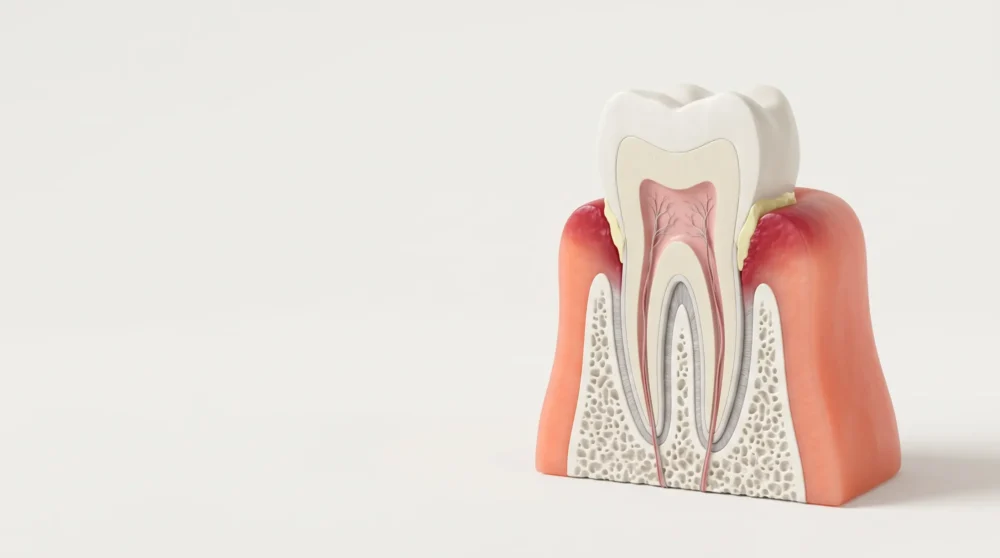
Gingivitis is a common condition that causes irritation and inflammation around the base of the teeth. It is often described as early-stage gum disease. A little pink in the sink after brushing may seem harmless. However, gums that bleed repeatedly can be an early warning sign of it.
Other common symptoms may include the gums appearing red, swollen or feeling tender. Some people also notice persistent bad breath or an unpleasant taste. Plaque-related gingivitis can be reversed when managed early. Nevertheless, without effective plaque control and professional care, inflammation may persist and, in some people, progress to periodontitis.
What Is Gingivitis?
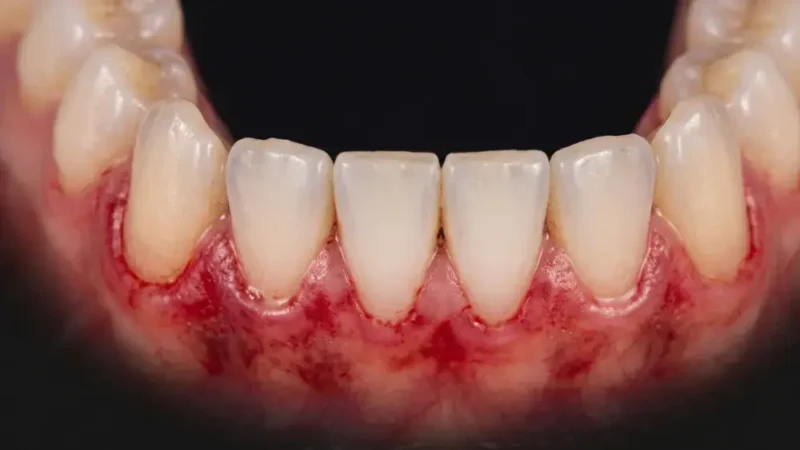
Gingivitis is inflammation of the gingiva, the gum tissue surrounding the teeth. It is the earliest and mildest form of periodontaldisease (gum disease).
In most cases, gingivitis develops because dental plaque accumulates along the gumline. Plaque is a soft, sticky biofilm containing bacteria. It continually forms on the teeth, including after brushing. If it is not removed, the bacteria and the body’s immune response can irritate the surrounding gum tissue.
Plaque can also harden into calculus, commonly called tartar. Unlike soft plaque, tartar cannot be removed with ordinary brushing or flossing. Its rough surface makes it easier for additional plaque to collect, which can prolong inflammation until the deposits are professionally removed.
What Are the Symptoms of Gingivitis?
Gingivitis can be surprisingly easy to overlook. It does not always cause pain, and symptoms may develop gradually. For many people, bleeding during brushing is the first noticeable sign.
Common gingivitis symptoms include:
- Gums that bleed when brushing or flossing
- Red, darkened or unusually shiny gums
- Swollen or puffy gum tissue
- Tenderness along the gumline
- Persistent bad breath
- An unpleasant taste in the mouth
- Sensitivity or mild discomfort when cleaning around the gums
- Gums that appear softer than usual
Why Do My Gums Bleed When I Brush?
Inflamed gum tissue contains fragile blood vessels that can bleed when touched by a toothbrush, floss or interdental cleaner. This does not usually mean that brushing itself is harmful. More often, it means plaque has irritated the tissue and made it more vulnerable.
Stopping all cleaning because the gums bleed can allow additional plaque to accumulate and make the inflammation worse. Instead, continue cleaning gently with a soft-bristled toothbrush and arrange a dental assessment if the bleeding persists.
What Causes Gingivitis?
The main cause of gingivitis is plaque remaining around the gumline for long enough to trigger inflammation. Plaque develops every day, which is why consistent oral hygiene matters even when the teeth look clean.
If plaque is not thoroughly removed, it can build up in less accessible areas and eventually harden into tartar. Because tartar cannot be brushed away at home, professional cleaning may be necessary to create a surface that can be kept clean effectively.
Poor oral hygiene is not the only possible contributor. Hormonal changes, certain health conditions, medications and lifestyle factors can all affect how the gums respond to plaque.
Common Gingivitis Risk Factors
Factors that may increase the likelihood or severity of gum inflammation include:
- Inconsistent or ineffective brushing and interdental cleaning
- Smoking, vaping or using other tobacco products
- Diabetes, particularly when blood glucose is not well controlled
- Dry mouth caused by medication, illness or reduced saliva production
- Hormonal changes during puberty, pregnancy or menopause
- Crowded or misaligned teeth that are difficult to clean
- Braces, retainers, dentures or dental restorations that trap plaque
- A diet lacking essential nutrients
- Stress and conditions that affect immune function
- Certain medications that cause dry mouth or changes in the gum tissue
- Increasing age and a personal or family history of gum disease
Is Gingivitis the Same as Periodontitis?
No. Gingivitis and periodontitis are related, but they are not the same.
Gingivitis is inflammation confined to the gums. There is no periodontal attachment loss or destruction of the bone supporting the teeth, and it is reversible.
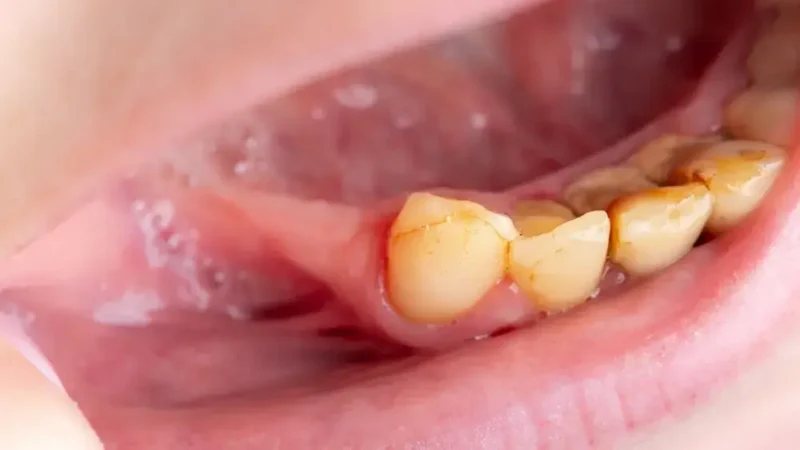
Periodontitis is a more advanced gum disease in which inflammation affects the deeper supporting structures. The gums may pull away from the teeth and form periodontal pockets. Over time, connective tissue and bone can be lost. Teeth may shift, become loose or eventually require removal in severe cases.
Not every case of gingivitis progresses to periodontitis. That depends on factors such as plaque levels, smoking, genetics, general health and the individual immune response..
Signs that may suggest a problem beyond mild gingivitis include gum recession, pus around the gumline, loose teeth, changes in the bite or spaces developing between teeth. These symptoms require professional evaluation.
Is Gingivitis Contagious?
Gingivitis is not considered contagious in the same way as a cold or influenza. You cannot directly “catch” gum inflammation from another person.
This being said, the bacteria inside dental plaque can be exchanged through saliva. However, exposure alone does not mean someone will develop gum disease. Regular brushing, cleaning between the teeth and attending dental check-ups are more important for prevention than avoiding normal contact with other people.
How Is Gingivitis Diagnosed?
A dentist usually diagnoses gingivitis by examining the teeth and gums and reviewing the patient’s symptoms, oral hygiene habits, health history and medications.
During an assessment, the dentist may look for redness, swelling, plaque, tartar, receding gums and bleeding. This helps determine whether the inflammation appears limited to the gums or may involve deeper periodontal tissues.
Dental X-rays are not always necessary for uncomplicated gingivitis because the condition does not cause bone loss. They may be recommended if the dentist suspects periodontitis, decay or another condition.
Bleeding and swelling are not exclusive to gingivitis, either. A professional assessment can help rule out other explanations, including local injury, infection, medication-related changes or less common medical conditions.
How Is Gingivitis Treated?
Gingivitis treatment focuses on removing the plaque and tartar causing inflammation and helping the patient prevent new buildup.
1. Professional Dental Cleaning
A dentist or dental hygienist may perform a professional cleaning, often called scaling, to remove plaque and hardened tartar from the teeth and around the gumline. Polishing may then smooth the tooth surfaces, making them easier to keep clean.
2. Personalised Oral-Hygiene Guidance
Small changes in technique can make a significant difference. A dental professional may demonstrate how to angle the toothbrush towards the gumline, clean difficult areas and choose suitable floss, interdental brushes or other aids.
3. Addressing Contributing Factors
Successful treatment may also involve managing dry mouth, improving diabetes control, stopping tobacco use or discussing medication-related effects with the relevant healthcare professional.
Do not stop or change prescribed medication because you suspect it is affecting your gums. A dentist and prescribing clinician can help determine whether an alternative or additional oral-care strategy is appropriate.
Are Antibiotics or Medicated Mouthwashes Necessary?
Antibiotics are not routinely needed for uncomplicated plaque-related gingivitis. They do not replace the physical removal of plaque and tartar.
A dentist may occasionally recommend an antimicrobial mouthwash for a limited period. However, mouthwash should support, not replace, brushing and interdental cleaning.
Can Gingivitis Be Treated at Home?
Good daily oral care is essential and may improve mild plaque-related gingivitis. However, home care cannot remove tartar, and symptoms that persist should be assessed professionally.
A practical routine includes:
- Brush twice a day for approximately two minutes using fluoride toothpaste.
- Choose a soft-bristled toothbrush and clean gently along the gumline.
- Clean between the teeth every day using floss, interdental brushes or another professionally recommended device.
- Spit out excess toothpaste rather than rinsing immediately with large amounts of water.
- Clean the tongue gently to help reduce odour-producing bacteria.
- Avoid smoking and tobacco products.
- Keep removable appliances, retainers and dentures clean.
- Attend dental examinations and professional cleanings as recommended for your individual needs.
How Long Does Gingivitis Take to Go Away?
Improvement depends on how severe the inflammation is, whether tartar is present, how consistently plaque is removed and whether additional risk factors exist.
Some people notice less bleeding and swelling within days or a few weeks after professional cleaning and improved oral hygiene.
Furthermore, the absence of bleeding does not necessarily confirm that the gums are completely healthy. Smoking, for example, can reduce visible bleeding while gum disease is still present. Professional monitoring remains important, especially for people with additional risk factors.
How Can Gingivitis Be Prevented?
The most effective prevention strategy is controlling plaque before it causes persistent inflammation.
Brush thoroughly twice daily, paying particular attention to where the teeth meet the gums. Clean between the teeth every day, as a standard toothbrush cannot reach these surfaces adequately. Electric and manual toothbrushes can both be effective when used correctly.
Replace a worn toothbrush or brush head because splayed bristles clean less effectively. A dentist or hygienist can also identify areas being missed and recommend tools suited to your mouth.
Lifestyle and general health matter as well. Avoid tobacco, eat a balanced diet, manage diabetes with appropriate medical support and seek advice for persistent dry mouth. Regular dental visits allow subtle changes to be identified before they become more difficult to manage.
When Should You See a Dentist?
Seek urgent care for rapidly increasing facial or oral swelling, fever accompanied by significant dental symptoms, difficulty swallowing or breathing, or uncontrolled bleeding. These features are not typical of uncomplicated gingivitis and may indicate another problem requiring prompt attention.
Without the same leve lof urgency, arrange a dental assessment if:
- Your gums bleed repeatedly
- Redness, swelling or tenderness persists
- You have ongoing bad breath despite good oral hygiene
- Your gums appear to be receding
- You notice pus, a bad taste or discharge around a tooth
- A tooth feels loose or your bite seems different
- Symptoms improve and then repeatedly return