
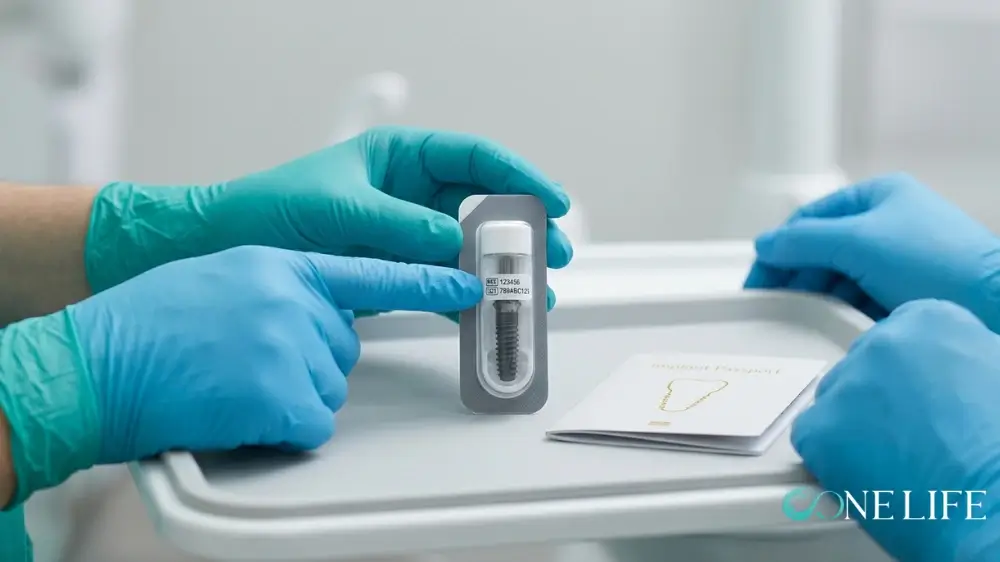
The uncomfortable truth is that not every clinic operating in Turkey uses the implants it advertises. Counterfeit dental implants and poor-quality materials are present in some clinics offering cheap treatment. When a clinic cuts costs on the implant itself, the consequences can be serious and expensive to fix.
The good news: there is a simple, standardised verification method that every patient can use. It takes less than five minutes and it requires no medical knowledge. And it is the single most reliable way to confirm that you get what you paid for. Let’s take a good look at the REF and LOT code verification system.
The Hidden Risk in Dental Tourism: Counterfeit and Low-Grade Implants
One of the most common dental scams involves implant substitution: a clinic quotes you a premium Swiss or German implant, charges you accordingly, but places a cheaper, unverified implant instead. The difference in unit cost to the clinic can be hundreds of pounds per implant. At scale, across dozens of patients a week, the financial incentive is huge.
The risks to you are equally substantial:
- Implant failure and bone loss
- Incompatible components— meaning any future repair work, anywhere in the world, becomes complicated or impossible
- No manufacturer warranty
- No global traceability— if you develop a complication years later, there is no way to identify what was used
What Are REF and LOT Codes?
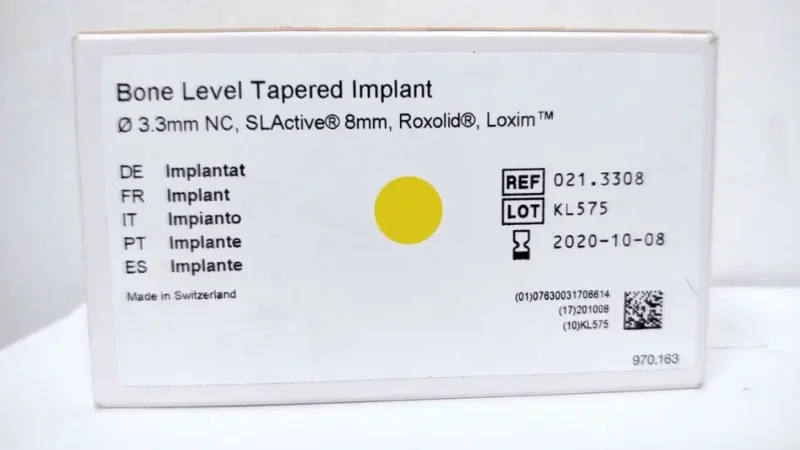
Every legitimate dental implant in Turkey — regardless of brand — is shiped in a sealed sterile box. arrives in an individual, factory-sealed sterile box. Your clinic should open that box in front of you — or at minimum, show you the sealed box before surgery and hand you the label stickers immediately after.
Printed on that box are two codes that are legally required under international medical device regulations. These codes exist because a dental implant is a Class III medical device. According to EU MDR 2017/745, Article 18, every implant must have an implant card containing the device name, serial number, lot number, the UDI, the device model, and the name and address of the manufacturer.
REF Code: The Product’s Identity
The REF is a unique number that identifies the specific medical device from its manufacturer. Think of it as the model number of your implant. It tells you exactly which product was used: the diameter, length, surface treatment, and material. A dentist in London, Madrid, or Sydney can look up that REF number and know precisely what implant sits in your jaw.
LOT Code: The Batch’s Traceability
A lot number is assigned to a particular quantity or lot of material from a single manufacturer. Should a manufacturer receive a complaint, they must be able to quickly trace the device back to its specific lot.
In practical terms, the LOT code means: if a batch of implants is ever recalled due to a manufacturing defect, you — and your doctor — can determine immediately whether yours is affected.
How to Verify Your Dental Implants Online
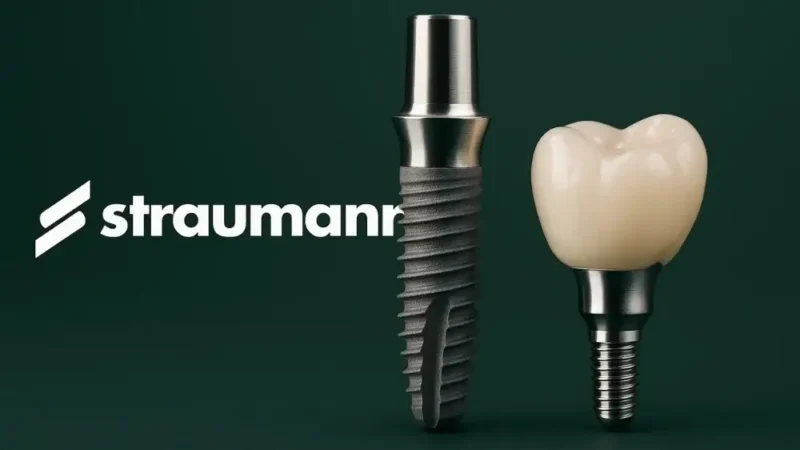
This is where REF and LOT codes become genuinely powerful. The two most widely used premium implant brands — Straumann and Nobel Biocare — both offer official online verification tools that any patient can access for free.
Straumann: Official Online Verification Tool
Straumann’s verification tool enables you to confirm that you have purchased and received an original Straumann component. Simply enter the part number (REF) and lot number (LOT) as shown on the product label and click “verify.”
By entering the product and lot number, you receive instant verification that a component is authentic — which is the prerequisite for benefiting from the Straumann Guarantee. Straumann Group
The tool is available at: Straumann Online Verification
Nobel Biocare: Authentication Portal
Nobel Biocare’s authentication tool checks your product against their records and confirms whether you have a genuine Nobel product. Products manufactured within the last 12 months can be verified. Nobelbiocare
The tool is available at: Nobel Biocare Authentication
Other Premium Brands: What to Ask For
Not every premium brand offers a public-facing online verification tool. For brands such as Osstem, Neodent, or Zimmer Biomet, the correct approach is to request the following directly from your clinic:
- The original sealed box (or a photograph of it taken before opening)
- The implant sticker — a peel-off label from the box containing the REF and LOT, which should be affixed to your patient record or implant card
- A written treatment summary stating the brand, model, REF, and LOT for each implant placed
Reputable dental clinics in Turkey include certificates attesting to the genuineness of their implants. A clinic that is unable to produce these documents is one to avoid.
Reputable Clinics Provide an Implant Passport Too
A genuine, patient-focused clinic does not wait for you to ask. It builds implant documentation into the standard treatment process. The industry term for this is the Implant Passport — that contains the full traceability data for every component.
After surgery, the barcode stickers containing the serial and lot number must be adhered into the patient’s booklet. If you ever need follow-up treatment at a different clinic, the treating dentist needs to know exactly which implant system is in your jaw.
Red Flags: 5 Signs Your Clinic May Not Be Using Genuine Implants
Knowing what a good clinic looks like is useful. Knowing what a bad one looks like is essential. These are the five most consistent warning signs reported by patients and dental professionals.
- The clinic cannot name the implant brand before surgery: A reputable clinic confirms the exact brand and model during your consultation — not when you ask mid-procedure. Vague answers like“we use the best implants” or “Swiss quality” without a specific brand name are a red flag.
- The price is dramatically below market rate: Premium implants have a wholesale cost. The cheapest dental implants in Turkey average between £200–£300, but these brands generally lag behind established names like Osstem and Neodent in terms of R&D investment and reliability. If a clinic is quoting you a Nobel Biocare or Straumann implant at a price that barely covers the manufacturer’s cost, the numbers do not add up.
- The implant box is not shown to you: There is no clinical reason to hide the implant packaging from the patient. If the box never appears — or if you are told it has already been “prepared in advance” — you have no way to verify what was actually used.
- No stickers, no implant card, no written documentation at discharge: A clinic that is unable to produce authenticity certificates for its implants is one that should be avoided. Leaving without any written record of your REF and LOT codes means you have no proof, no warranty claim, and no traceability if something goes wrong in the future.
- Resistance or confusion when you ask about verification: Ask your clinic directly:“Can I see the implant box, and do you provide an implant passport?” A confident, experienced team will answer without hesitation. Evasiveness, irritation, or blank looks in response to this question tells you everything you need to know.
What If My Clinic in Turkey Refuses to Show Me the Implant Box?
This is a serious concern. There is no clinical, logistical, or hygiene-related reason to withhold implant packaging from a patient. Refusal to provide REF and LOT codes is a fundamental breach of patient rights under EU medical device regulation. Treat it accordingly.
If your clinic refuses, do not let the moment pass. Follow these steps:
- Ask again, calmly and in writing. Send a message via WhatsApp or email to your coordinator stating: “Please confirm in writing which implant brand, REF code, and LOT code were used in my procedure.”
- If they insisto n not showing you the implant box. Leave the clinic. Politely but firmly decline to proceed.
- Request a full refund in writing for any deposits or pre-payments made.
- Report the clinic to the Turkish Ministry of Health and the Turkish Dental Association (TDB) — your report protects future patients.
- Find a verified alternative.There are excellent, fully transparent clinics in Turkey. The right one will show you the box without being asked.
What Happens If I Discover My Implants Were Not Genuine After Returning Home?
First: act quickly. The sooner the situation is assessed and documented, the stronger your position — clinically and legally.
Step one: get a clinical assessment. Contact a specialist implant dentist or oral surgeon in your home country. Bring any documentation you have from Turkey — including photographs, invoices, and communications.
Step two: document everything. Save every message, receipt, and photo related to your treatment. If the Turkish clinic is still responsive, continue communicating in writing.
Step three: understand your legal options. Patients who suffer harm due to negligent dental treatment have the right to pursue compensation under Turkish medical malpractice law, which may include reimbursement for corrective treatment, travel expenses, lost income, and emotional suffering.
Step four: report the clinic. File a complaint with the Turkish Ministry of Health and the Turkish Dental Association (TDB). Patient reports contribute directly to regulatory pressure on clinics that cut corners — protecting future patients as well as supporting your own case.