
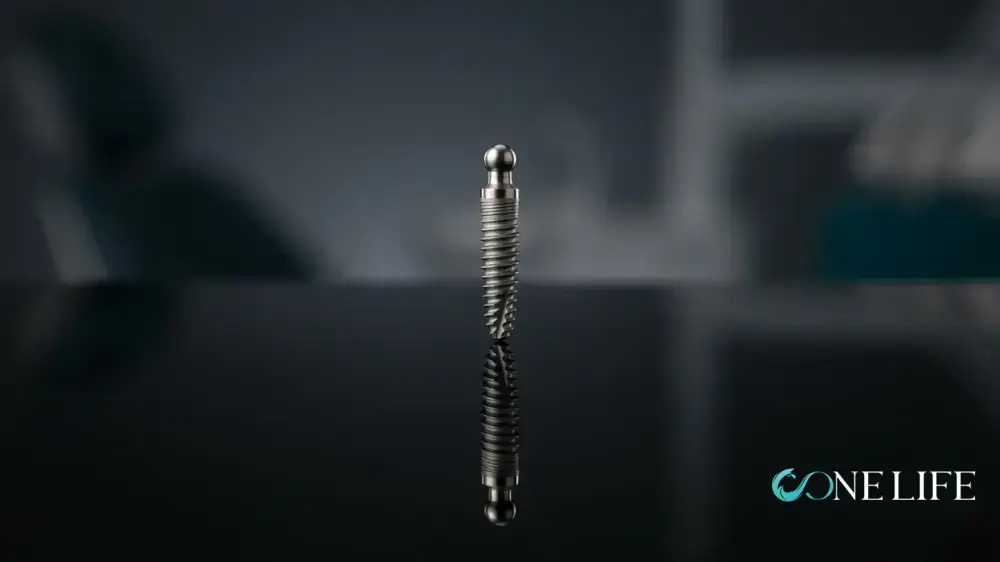
Smaller. Faster. More affordable. Mini dental implants have become one of the most attractive solutions for missing teeth. Among their many benefits, they can prevent bone grafting and sinus lifting even for patients with advanced jawbone atrophy. In this guide we cover exactly who they’re designed for, how they are surgically placed, how much mini dental implants cost and how they compare to regular implants.
What Are Mini Dental Implants?
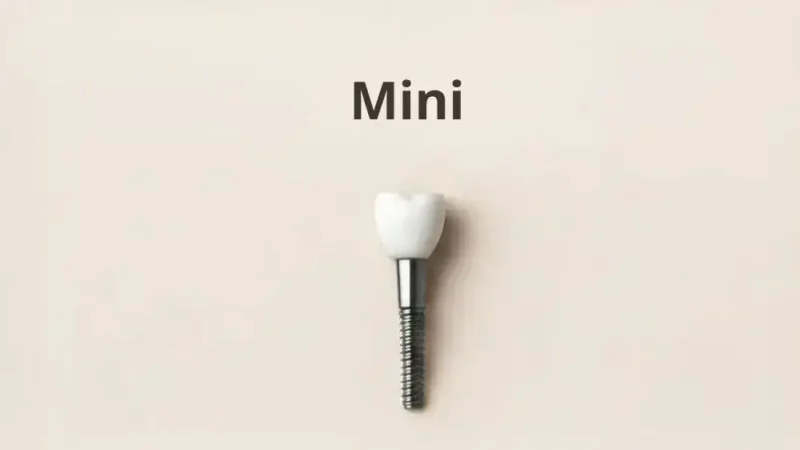
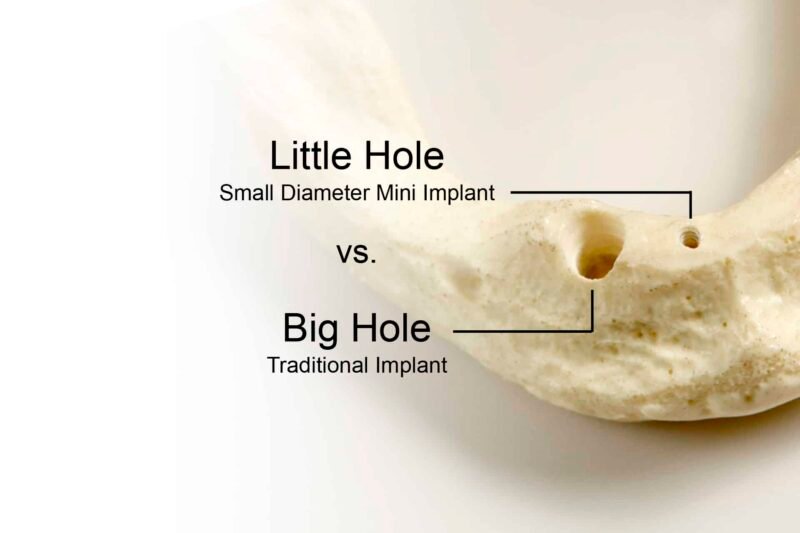
Mini dental implants (MDIs) measure between 1.8 mm and 3 mm in diameter — roughly the width of a toothpick — compared to standard implants, which typically measure 3.5 mm to 5 mm or more.
Like conventional implants, they fuse with the jawbone through a biological process called osseointegration, creating a stable anchor for a prosthetic tooth, crown, bridge, or denture.
Mini Dental Implants vs Regular Implants
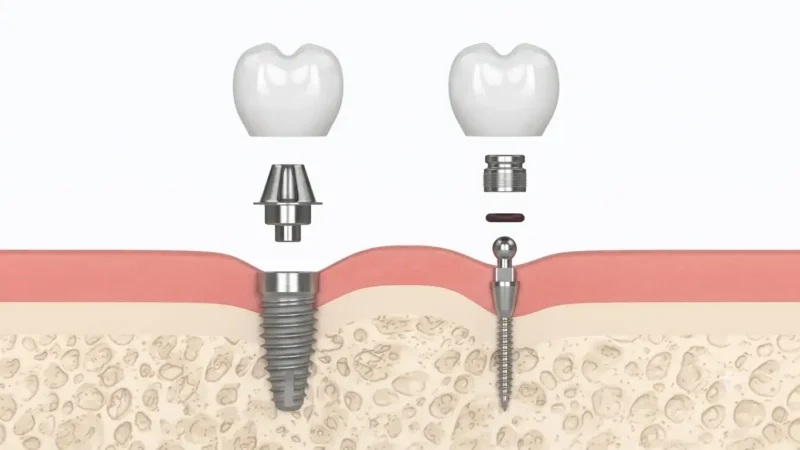
Mini implants and regular implants are both titanium-based, differing in size, design, surgical complexity, and patientcases. The right choice depends mostly on the patient’s bone volume, the location of the missing tooth, and your clinical goals. You can always contact OONE LIFE to get a free online consultation with Dr. Astolfi.
Here is a direct comparison:
Feature | Mini Dental Implants | Regular Implants |
Diameter | 1.8 mm – 3 mm | 3.5 mm – 5 mm |
Design | One-piece | Two-piece (post + abutment) |
Bone needed | Low | Higher |
Surgery | Minimally invasive, often flapless | More invasive, sutures usually needed |
Results time | Often same-day | Typically 3–6 months |
Best use cases | Denture stabilisation, narrow spaces, small teeth | Single tooth, full arch, high-load areas |
Average cost | £400 – £1,200 | £1,800 – £3,200 |
Recovery time | 24–48 hours | 1–2 weeks |
Long-term survival (7yr) | ~91.4% | ~92–95% |
Disadvantages of Mini Dental Implants
Mini dental implants are an excellent solution for the right patient when treatment is planned with precision. At OONE LIFE, Dr. Astolfi uses 3D CBCT imaging and a detailed biomechanical assessment before recommending any implant system, mini or standard. Main disadvantages of mini dental implants, as far as we understand them, include:
- They can sustain less pressure. This makes them less suitable for patients with a strong bite or bruxism (teeth grinding).
- Higher risk of fracture. This is particularly relevant for ultra-narrow MDIs below 2.5 mm in diameter.
- Problematic for the upper jaw. MDIs perform most reliably in the lower jaw and in low-pressure zones. Their use in the upper jaw carries a measurably lower success rate.
- Replacing and maintenance needs. O-rings typically need replacing every one to three years, adding a modest but real ongoing maintenance cost.nih
- Bone limitations. Patients with severe, advanced atrophy may need zygomatic implants or All-on-4.
- Less long-term data. The clinical performance of mini dental implants needs more long-term data, particularly beyond the 10-year mark. nih
- Not always suitable for dentures. In cases where only two mini implants are used — rather than four — outcomes are significantly worse.
How Much Do Mini Dental Implants Cost?
Mini dental implants cost significantly less than conventional implants. This being said, the Price tag can vary quite significantly depending on where you are treated, how many implants you need, and which brand is used.
Location | Cost Per Mini Implant | Cost Per Standard Implant |
United Kingdom | £400 – £1,200 | £1,800 – £3,200 |
United States | $500 – $1,500 | $3,200 – $5,800 |
Turkey | $300 – $700 | $518 – $850 |
Prices are indicative averages for 2025–2026. Final cost depends on number of implants, brand, and individual clinical needs.
Mini Dental Implants Cost in the US
In the United States, pricing is higher. The average cost of a mini dental implant in the US sits at around $3,300, though this varies significantly by state, clinic, and implant brand.
How Much Are Mini Dental Implants in the UK?
In the UK, mini dental implants typically cost between £400 and £1,200 per implant — compared to the £2,000–£2,500 typically charged for a regular dental implant.
Mini Dental Implants Cost in Turkey
Mini dental implants in Turkey typically cost between $300 and $700 per implant — a saving of around 85% — with packages often including 3D CT scans, hotel accommodation and airport-to-clinic transfers.
What About Full Mouth Mini Dental Implants?
Full mouth mini dental implants are the most cost-effective option to a fully restored smile for patients with significant tooth loss or bone atrophy. A full mouth solutions usually consists of 4 implants per arch and the prosthesis is often fitted the same day.
Solution | United Kingdom | United States | Turkey |
4 Mini Implants (1 arch) | £2,500 – £5,500 | $3,500 – $7,000 | $1,500 – $3,000 |
Full Mouth (2 arches) | £5,000 – £10,000 | $7,000 – $14,000 | $3,000 – $6,000 |
All-on-4 (conventional) | £12,000 – £17,000 | $20,000 – $30,000 | $3,000 – $7,000 |
Full mouth mini implant packages at OONE LIFE include clinical consultation, 3D CBCT scan, surgical placement, and prosthesis fitting. Contact us for a personalised quote.
Are Mini Dental Implants Covered by the Government?
In the United Kingdom, NHS coverage for mini dental implants is extremely limited — benefiting less than 1% of patients. The vast majority of UK patients require private treatment.
In the United States, Medicare does not cover dental implants of any kind as standard. Some private insurance plans offer partial coverage, but Medicaid coverage varies by state and is generally not available for elective implant treatment.
In Canada, Australia, and Ireland, the situation is similar — public dental schemes do not routinely fund implant treatment.
Benefits of Mini Dental Implants
The main question now becomes: can you cut costs without jeopardizing your mouth with mini dental implants? Mini dental implants offer a combination of safety, reliableness, affordability and surgical comfort that make them a very attractive option for edentulous patients.
Here are the key advantages that make them worth considering:
- No bone graft in most cases. MDIs can be placed in ridges where conventional implants would not fit without prior bone augmentation.
- Minimally invasive procedure. The surgical procedure minimises trauma to surrounding tissues — shortening treatment and decreasing discomfort.
- Same-day results in many cases. Mini implants can often be immediately loaded, meaning your prosthesis can be fitted the same day as surgery.
- Lower cost. The overall cost is significantly lower.
- Faster recovery. Most patients return to normal activity within 24 to 48 hours. There is usually no need for stitches.
- Proven long-term stability. A meta-analysis covering 3,787 mini implants across 39 studies reported a 7-year survival rate of 91.4% .
- Ideal for compromised patients. Suitable for older patients or those with conditions that make lengthy procedures inadvisable.
- Natural look and feel. When correctly restored, mini implants are indistinguishable from natural teeth and do not affect speech or chewing.
Before and After Results
Real results. Real patients. No filters.
At OONE LIFE, Dr. Astolfi documents every case with clinical photography before, during, and after treatment. You can view real patient before and after results directly on our website — from single-tooth to full mouth.
Clinically, the changes patients report go well beyond aesthetics:
- Restored chewing function
- Improved speech
- Preserved facial structure
- Improved gum health
- Psychological impact
How Does the Mini Dental Implants Process Work?
Mini dental implants can often be placed — and loaded with a prosthesis — in a single appointment. This is one of their most significant advantages over conventional implants, which typically require a multi-stage process spanning several months.
Here is what the process looks like from start to finish:
- Initial Consultation & Imaging
Your dentist begins with a comprehensive clinical assessment. At OONE LIFE, this includes a 3D CBCT scan to evaluate bone volume, density, and anatomy with precision. This imaging is essential — it determines whether mini implants are the right choice for your specific jaw structure and rules out contraindications. - Treatment Planning
Based on your scan and clinical examination, Dr. Astolfi designs a personalised treatment plan: how many implants, which diameter, where they will be placed, and what prosthesis will be attached. You receive a fully itemised plan and cost breakdown before anything is agreed. - Surgical Placement
The procedure is performed under local anaesthesia and is typically completed in one to two hours depending on the number of implants. Because the procedure is less invasive, it often requires no stitches and results in fewer complications and a quicker recovery than conventional implant surgery. A small pilot hole is drilled into the jawbone, and the mini implant is carefully rotated into position. Most patients report feeling pressure rather than pain during placement. - Immediate Loading (where applicable)
In many cases, your denture, crown, or bridge is fitted the same day. The ball-shaped end of the implant snaps directly into the O-ring of your prosthesis, providing immediate stability and function. You leave the clinic with a working smile. - Follow-Up & Osseointegration
Over the following weeks, the titanium post fuses with your jawbone through osseointegration. Follow-up appointments allow your dentist to monitor healing, check bite alignment, and make any minor adjustments to the prosthesis.
Post-Op Healing & Recovery
Recovery is influenced by factors including age, general health, smoking status, and the number of implants placed. Patients who follow post-operative instructions carefully — and attend follow-up appointments — consistently achieve the best outcomes.
Here is what to expect in the days and weeks following surgery:
First 24–48 hours:
- Mild swelling and tenderness around the implant site
- Most patients manage discomfort comfortably with ibuprofen or paracetamol
- Stick to soft foods — yoghurt, soup, mashed vegetables — and avoid chewing directly on the implant site
- Smoking, alcohol, and vigorous rinsing strictly prohibited
Days 3–7:
- Swelling and sensitivity typically decrease by day three
- Most patients return to normal daily activities within 24 to 48 hours
- Gentle salt-water rinses can help keep the surgical site clean
- Continue avoiding hard, crunchy, or sticky foods
Recovery Timeline at a Glance:
Timeframe | What to Expect |
Day 1–2 | Mild swelling, tenderness, soft diet |
Day 3–7 | Rapid improvement, return to daily activities |
Week 2–4 | Full comfort restored for most patients |
Week 4–12 | Osseointegration progressing, follow-up review |
3 months+ | Full integration confirmed, prosthesis finalised if needed |
How Painful Are Mini Dental Implants?
During the procedure itself, the treatment area is fully numbed with local anaesthesia. The technique used for mini implants (no cutting of gum tissue in most cases) means there is very little trauma. The sensation most patients describe is pressure — not pain.
After the anaesthesia wears off, some tenderness and aching is normal for the first day or two. If you experience severe pain, prolonged swelling beyond 5–7 days, fever, or implant mobility, contact your dental provider immediately — these can be early signs of complications that require prompt attention.
Patients who tend to experience more discomfort include:
- Those receiving a higher number of implants in a single session
- Smokers (slower tissue healing and increased sensitivity)
- Patients with pre-existing gum inflammation or infection
- Those with a history of bruxism (teeth grinding), which can place early stress on healing implants
Risks & Potential Complications
Mini dental implants have an excellent safety profile — but like any surgical procedure, they carry risks. Risk reduction begins before surgery: with 3D CBCT imaging, a full medical history review, and a biomechanical assessment.
The most clinically significant risks of mini dental implants include are:
- Implant failure & poor osseointegration
- Implant fracture
- Peri-implantitis
- Nerve and tissue injury
- O-ring and prosthesis wear
- Infection
How Long Do Mini Dental Implants Last?
With correct patient selection, precise placement, and good maintenance, mini dental implants can last many years — and in many cases, decades.
At the broader population level, the 7-year cumulative survival rate for mini implant-retained overdentures stands at 91.4% across nearly 4,000 implants — a clinically robust figure. nih
Several factors influence how long your mini implants will last:
- Oral hygiene
- Smoking
- Bite forces and bruxism
- Implant diameter and location
- Quality of placement
- Brand and material quality
What about the prosthesis?
The implant post itself typically outlasts the restoration attached to it. Crowns and dentures may need replacing or refitting over time — but a well-integrated mini implant can continue serving as the anchor for a new prosthesis without needing to be replaced.
Long-Term Maintenance & Care
Mini dental implants are low-maintenance — but not no-maintenance. A consistent care routine protects your investment and keeps your implants functioning optimally for as long as possible.
Daily home care:
- Brush twice daily with a soft-bristle toothbrush
- Use interdental brushes or floss to clean between implants and along the gum line daily
- Consider an antibacterial mouthwash
- If you have implant-retained dentures, remove them nightly for cleaning and to allow gum tissue to rest
Professional maintenance schedule:
- Every 6 months: professional hygiene appointment to remove calculus and biofilm from implant surfaces — essential for preventing peri-implantitis
- Annually: clinical and radiographic review to assess bone levels around each implant and check for early signs of mechanical wear
- Every 1–3 years: O-ring replacement for denture-stabilising mini implants
What to avoid:
- Chewing ice, hard sweets, or using teeth as tools
- Smoking — if you smoke, reducing or stopping is the single most impactful thing you can do for implant longevity
- Skipping hygiene appointments
All Types of Mini Dental Implants
Mini dental implants consist of a single-piece screw with a ball-shaped end, along with a rubber O-ring. They don’t require any separate abutment. This one-piece design makes them less invasive, faster to place, and more accessible.
The main types of mini dental implants include:
- Ultra-narrow MDIs (1.8 mm – 2.4 mm): Used in very narrow ridges or as temporary implants during conventional implant healing.
- Narrow MDIs (2.5 mm – 2.9 mm): The most versatile category. Research confirms that implants with a diameter of 2.5 mm and above show no statistically significant difference in survival rates compared to regular-diameter implants — a finding that has significantly increased their clinical acceptance. nih
- Small-diameter implants (3.0 mm – 3.4 mm): These sit at the boundary between mini and standard.
Types of Loading for MDIs
Beyond diameter, MDIs are also classified by loading protocol — meaning when the prosthesis is attached:
- Immediate loading: The prosthesis is fitted the same day as surgery.
- Delayed loading: The implant is left to integrate for several weeks before the final restoration is placed.
Mini Dental Implants for Dentures
Typically, four mini implants are placed in the lower jaw to support a full denture — a configuration backed by strong clinical evidence. Millions of denture wearers struggle daily with implant-less appliances that shift, slip, or cause discomfort when eating and speaking. For patients considering full mouth mini dental implants, choosing dentures is often the most cost-effective route to a stable, functional smile.
Best Mini Dental Implant Brands
The brand and material quality of the implant post directly influences osseointegration success, fracture resistance, and long-term survival. Here are the most clinically respected systems used by leading implantologists worldwide:
Straumann (Switzerland)
Consistently ranked among the most trusted implant manufacturers globally. Straumann’s narrow-diameter implant range combines premium titanium-zirconia alloy (Ti-Zr) with decades of peer-reviewed clinical evidence behind it. A benchmark brand for quality and longevity.
Nobel Biocare (Sweden/Switzerland)
A pioneer in implant dentistry with one of the most extensive long-term datasets in the industry. Their narrow implant solutions are widely used in cases requiring minimal bone volume without sacrificing stability.
Zimmer Biomet (USA)
A leading name in North American implantology, offering a robust range of small-diameter implants with strong clinical backing and wide practitioner adoption across the US, UK, and Canada.
Dentium (South Korea)
One of the fastest-growing implant brands globally, particularly popular across Asia, the Middle East, and Eastern Europe. Dentium offers competitive quality at accessible price points, with an expanding body of clinical research.
Biohorizons (USA)
Known for their Laser-Lok surface technology, which promotes direct bone and soft tissue attachment at the implant neck — a meaningful advantage for long-term stability and gum health around the implant site.
MIS Implants (Israel)
Widely used in dental tourism destinations including Turkey, MIS offers a solid range of narrow-diameter implants at competitive costs. A reliable mid-tier option frequently included in all-inclusive treatment packages.
Brand | Origin | Known For |
Straumann | Switzerland | Ti-Zr alloy, top-tier longevity data |
Nobel Biocare | Sweden/Switzerland | Pioneering research, narrow range |
Zimmer Biomet | USA | Strong North American clinical adoption |
Dentium | South Korea | Quality-to-cost ratio, global growth |
Biohorizons | USA | Laser-Lok soft tissue integration |
MIS Implants | Israel | Dental tourism packages, value |