
Top maxillofacial surgeons, private clinics and huge savings on Swiss implants are driving millions of patients to Istanbul, but with disturbing images of botched results circulating online, the question remains legitimate: is it safe to get dental implants in Turkey? The uncomfortable truth is that implants come with risks, just like any other medical procedure. The good news is dentistry in Turkey can be extremely reliable with the right insider knowledge.
in this safety guide, Dr. Astolfi breaks down all key information to avoid uncertified dentist, unlicensed clinics and secure the best dental implants in Turkey.
Key takeaways:
- Lawful dental clinics in Turkey must be certified by the Turkish Ministry of Health
- Your dental provider should also be part of Health Türkiye & the Turkish Society of Oral Implantology
- The best dentists in Turkey are often members of the American Dental Association (ADA)
- Ask about dental implant brands and REF codes to avoid counterfeit materials
- Patients requiring full mouth dental implants are highly advised to seek an oral & maxillofacial surgeon (not a generalist dentist)
Calculating Risks: How Safe Are Dental Implants in Turkey?
The safety of dental implants in Turkey is backed by clinical data. As of 2026, top-tier dental clinics in Istanbul and Antalya report success rates of 93.2% to 96.1%, aligning with global benchmarks from the International Team for Implantology (ITI). Beware of clinics reporting 0% complications: it’s unrealistic. Always ask for complete, written transparency regarding complication cases. These happen even in the best clinics in the world.
Success Rates of Dental Implants in Turkey vs. International Clinics
To understand the landscape better, it is helpful to look at how Turkey compares to other popular destinations. The following table illustrates the average success rates for dental implants as of early 2026.
Feature | Top-Tier Turkey (OONE LIFE Dental) | Standard European Clinic | Low-Cost in Turkey |
Primary Surgeon | Maxillofacial Surgeon | General Dentist / Specialist | General Dentist |
Implant Brands | Straumann / Nobel Biocare | Various (High Quality) | Generic / Local Brands |
Success Rate | 95% – 97% | 95% – 97% | 85% – 90% |
Lab Control | In-House (ComfyDent) | Usually Outsourced | Always Outsourced |
Technology | 3D CBCT & Digital Scanning | Standard X-ray / 3D | Basic Panoramic X-ray |
Are Quality and Materials the Same in Turkey?
The short answer is: no. The human body does not distinguish between a titanium screw placed in London and one placed in Istanbul. However, the mechanical and chemical quality of the materials varies drastically between clinics.In Turkey, while some budget centers use generic “white label” implants to lower the entry price, premium clinics like OONE LIFE Dental Health utilize medical-grade Titanium (Grade 5) and Zirconia from top European brands such as Straumann.
Verified Swiss Dental Implant Brands in Turkey
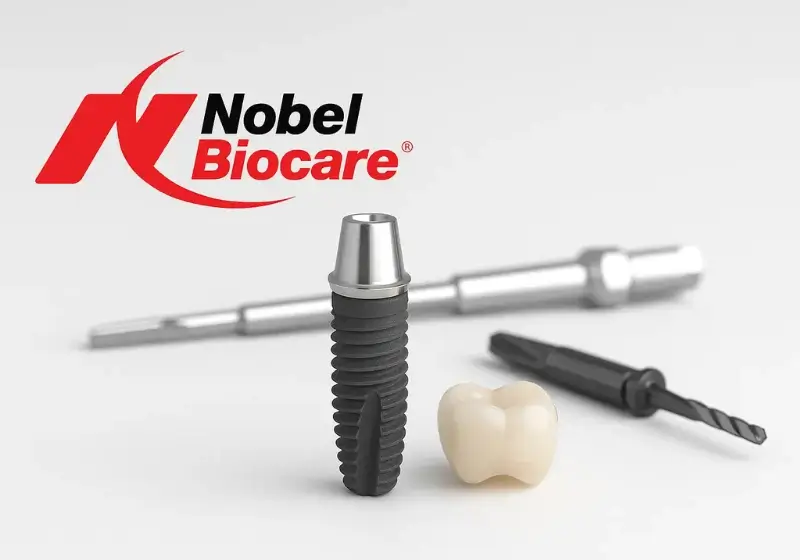
To ensure your safety, you must demand brand transparency. The best dental implants in Turkey are those with a global presence, ensuring that any dentist in the world can find the necessary tools to service them in the future.
- Premium Tier:We primarily work with Straumann (Switzerland) and Nobel Biocare (Sweden/USA). These brands have 40+ years of clinical data and offer a lifetime international warranty.
- Value Tier:Brands like Osstem (South Korea) or Bego (Germany) offer excellent osseointegration at a more accessible price point without compromising safety.
- The “No-Name” Risk:If a clinic cannot provide you with a certificate of authenticity or an implant passport with a traceable LOT number, the material quality is a gamble.
Potential Risks & Complications
Acknowledging that complications exist is the sign of an ethical medical provider. While the success rate for dental implants in Turkey is exceptionally high, patients must be aware of the biological and mechanical risks involved in any surgical procedure.
1. Early-Stage Failure: Implants Come Off
An implant failing to integrate is an early-stage failure. This usually happens within the first 3–6 months after surgery.
- The Cause:Poor bone quality, smoking during the healing phase, or “overheating” the bone during surgery (a common mistake made by inexperienced generalist dentists).
- The Solution: 3D CBCT torque-analysisto ensure primary stability. If an implant fails to integrate despite following protocols, warranty covers the replacement.
2. Infection
Peri-implantitis is the leading cause of long-term implant loss. It is an inflammatory process that affects the soft and hard tissues surrounding the implant.
- The Risk:Inadequate sterilization in the operating room or poor oral hygiene post-surgery.
- Prevention:Class B Autoclave sterilization and provide every patient with a strict Post-Op Hygiene Kit. Safety is a shared responsibility between surgeon and patient.
3. Nerve Damage
This is the most disturbing complication, resulting in numbness or tingling in the jaw, lip, or chin.
- Why it Happens:This occurs when a surgeon places an implant too close to the inferior alveolar nerve due to poor planning.
- The Maxillofacial Advantage:This is where the expertise of an oral and maxilofacial surgeon becomes vital. By using Digital Surgical Guides and 3D nerve mapping, the doctor does not “guess” where your nerve is; hesees it in high-definition before surgery.
Red Flags to Avoid
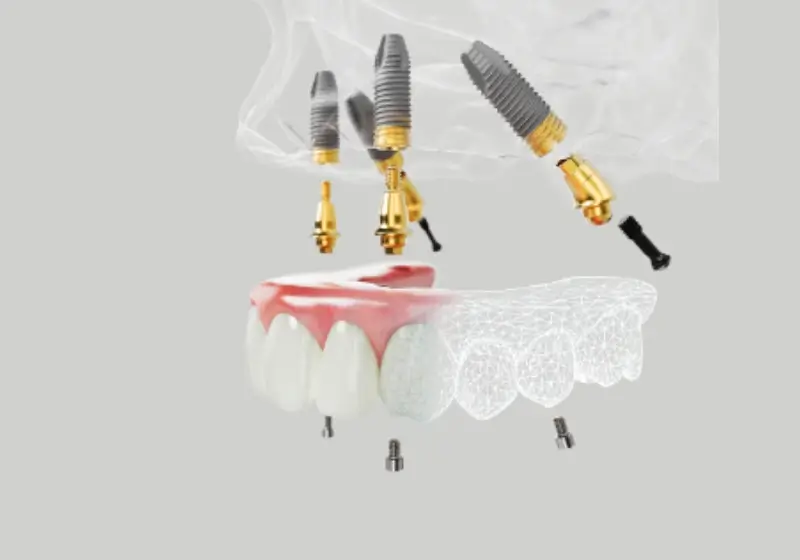
Even with the best regulations, “dental mills” still exist. To secure the best dental implants in Turkey, you must be able to spot the signs of a high-risk facility.
- The Price Trap:If a clinic offers full mouth dental implants Turkey package deals for 70% less than the market average in Istanbul, they are cutting corners. This usually means using generic, unbranded implants or non-medical grade prosthetic materials.
- Lack of Advanced Imaging (3D CBCT Scans):A simple panoramic X-ray is not enough for safe implant placement. If a clinic does not have a CBCT scanner on-site to map your bone volume and nerves in 3D, walk away.
- The “Generalist” Shortcut:Always ask: “Will a Maxillofacial Surgeon perform my surgery?” If the answer is “a specialist dentist,” realize you are not getting the highest tier of surgical safety.
Quality Assurance: How to Stay on the Safe Side
To ensure the highest quality assurance, verify that your clinic follows International Team for Implantology (ITI) protocols. Confirm the use of original Swiss or German components with a traceable implant passport. Always cross-check the clinic’s Ministry of Health authorization and prioritize facilities with in-house digital dental labs.
Inspections by the Turkish Ministry of Health
In 2026, the Turkish government goes to great lengths to ensure the country’s sustained, positive reputation for medical treatments. To operate legally, every clinic must obtain the Health Tourism Authorization Certificate issued by the Ministry of Health of the Republic of Turkey. This certification ensures that the facility undergoes unannounced inspections and adheres to strict sterilization protocols.
Furthermore, the Turkish Dental Association (TDB) regulates the ethical conduct and pricing of its members, ensuring that “aggressive discounts” do not compromise medical safety.
- Authorization Code:Every legal clinic has a unique ID provided by the Ministry.
- Temos or JCI Accreditation:These signify a clinic has gone above and beyond local law to ensure patient safety and quality.
International Standards: ISO and Temos
While the Ministry of Health provides the legal license, international accreditations like ISO 9001 and Temosprovide the safety guarantee. These are voluntary certifications. A clinic that invests in them is essentially inviting external, rigorous auditors to poke holes in their system to ensure perfection.
ISO 9001:2015
ISO is about the standardization of processes. In an ISO-certified clinic, every step follows a documented, repeatable protocol from the moment you land to the moment of your departure. This drastically reduces the human error factor that leads to infections or mechanical failures.
Temos for Dental Tourism
If you are traveling from abroad, Temos (Trust. Effective Medicine. Optimized Services.) is arguably more important than any other seal. Unlike general health certifications, Temos specifically audits the travel cycle for international patients.
- Pre-operative Transparency:Ensuring you receive a realistic treatment plan before you fly.
- Continuity of Care:Protocols for how the clinic supports you once you return to your home country.
- Ethics and Legal Safety:Protection against hidden costs and ensuring informed consent in your native language.
OONE LIFE Dental’s Safety Standards for Dental Implants in Istanbul
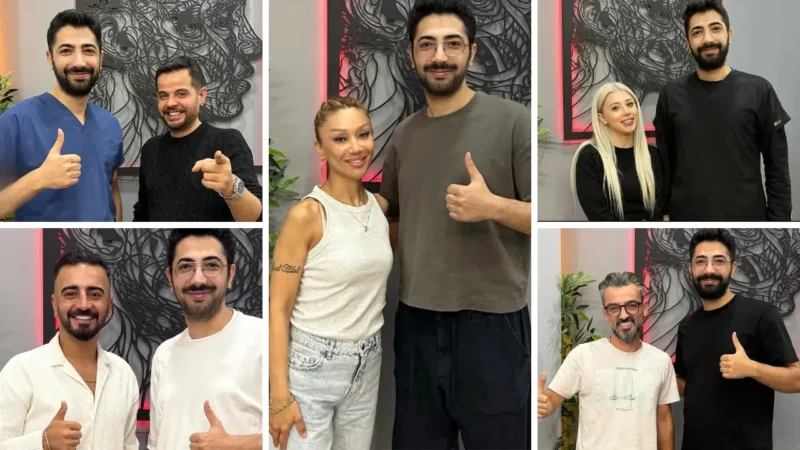
To determine whether it is safe to get dental implants in Turkey, you must look into the surgical credentials. OONE LIFE Dental focuses on clinical risk mitigation. Our clinical protocol involves Class B Autoclave sterilization, vacuum-sealed surgical kits, and the use of Platelet-Rich Fibrin (PRF) technology. PRF uses the patient’s own blood to accelerate healing and reduce the risk of early-stage implant rejectio
The Expertise of Prof. Dr. Serkan: Maxillofacial Surgery
There is a profound difference between a generalist dentist and an Oral & Maxillofacial Surgeon. Prof. Dr. Serkanbrings a level of surgical depth that generalist often overlook for low bone density cases, when proximity to the sinus cavity is critical. They are also the only dentists licensed to perform zygomatic dental implants in Turkey.
- Surgical Precision:Maxillofacial surgeons undergo 4-6 years of additional hospital-based residency beyond dental school.
- Complication Management:They are trained to handle emergency scenarios and advanced bone grafting, significantly reducing the risk of implant failure.
- Advanced Diagnostics:Using 3D CBCT imaging, Dr. Serkan maps the mandibular nerve and sinus floors with sub-millimeter accuracy before the first incision is made.
ComfyDent Lab: Eliminating External Risks
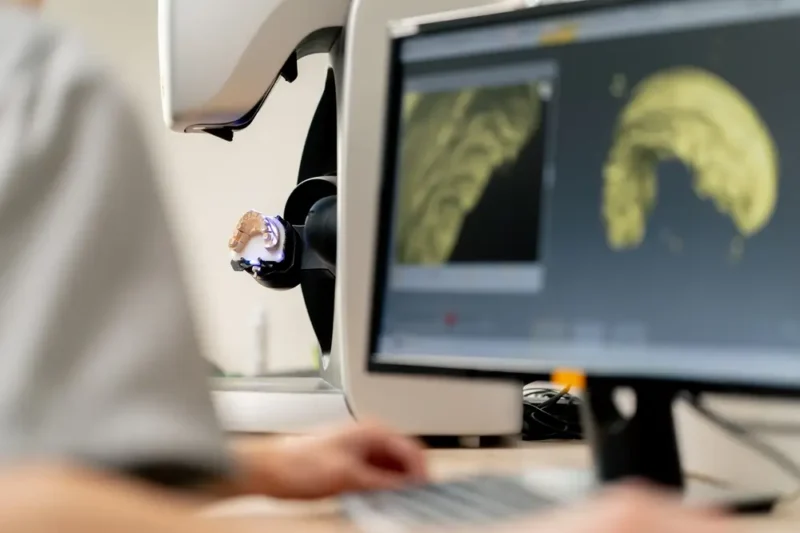
When a clinic outsources its prosthetics, they lose control over the biocompatibility of materials and the precision of the fit. Our ComfyDent Lab is an in-house facility. This ensures that every crown and bridge meets our strict safety standards. By using CAD/CAM technology and medical-grade zirconia, we ensure a passive fit crucial to preventing peri-implantitis (the leading cause of long-term implant failure).