
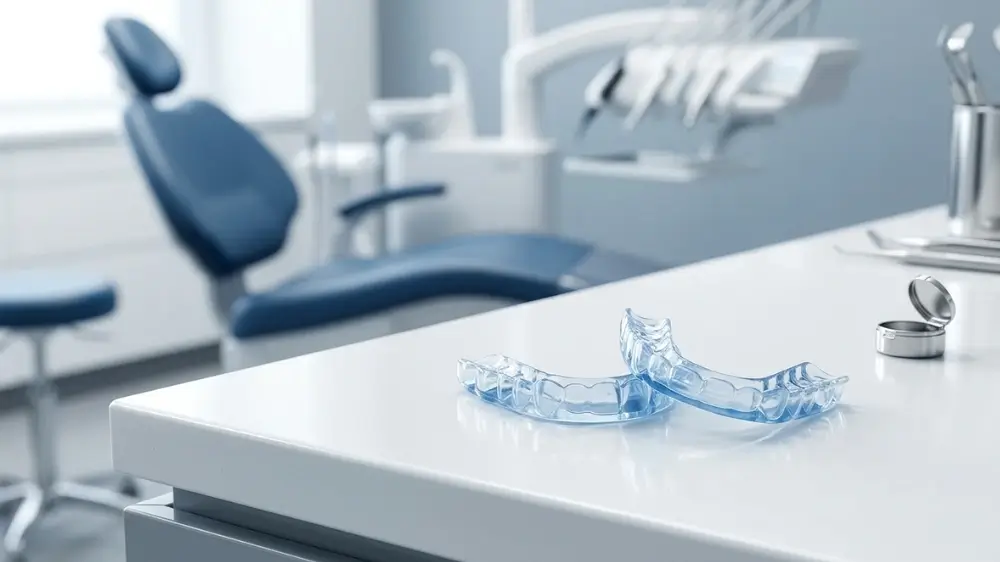
Bruxism is the medical term for grinding your teeth or clenching your jaw involuntarily. While it can occur during the day (awake bruxism), it most frequently happens as sleep bruxism, a habbit happens while a patient is unconscious. According to the American Academy of Sleep Medicine, approximately 8% to 10% of the adult population suffers from this condition, causing dental wear and jaw pain.
Chronic bruxism can exert up to 250 pounds of force on the molars, making early intervention essential to prevent long-term damage.
Types of Bruxism
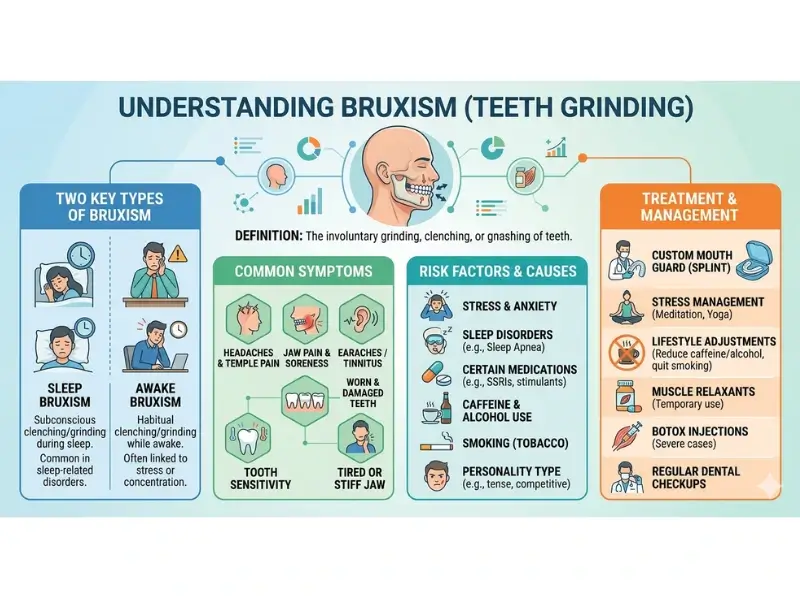
1. Sleep Bruxism (Nocturnal Bruxism)
Occurs while you are asleep. It is classified as a sleep-related movement disorder and involves grinding or clenching the teeth.
- Characteristics: It is often subconscious, you may not realize you are doing it unless a partner hears the grinding noise or a dentist notices signs of wear.
- Common Associations: It is frequently linked to other sleep-related issues, such as sleep arousals, snoring, and obstructive sleep apnea.
2. Awake Bruxism (Daytime Bruxism)
Occurs while you are awake. Unlike sleep bruxism, which is often rhythmic grinding, awake bruxism is characterized by sustained jaw clenching or “bracing” of the jaw muscles.
- Characteristics: It is often a semi-conscious or unconscious habit triggered by factors like concentration, stress, anxiety, or emotional tension.
3. Other
Juvenile Bruxism: is teeth grinding in children. It is considered a natural part of the development of the teeth, facial muscles, and jaw bones. In most cases, it disappears as the child enters adolescence.
- Primary vs. Secondary Bruxism: Some classifications look at the underlying cause:
- Primary: Occurs on its own, without any other medical condition.
- Secondary: Associated with other medical conditions (such as neurological or sleep disorders), the use of certain medications (like some antidepressants), or lifestyle factors (such as excessive alcohol, caffeine, or tobacco use).
Causes of Teeth Grinding
The question of “why do I grind my teeth in my sleep” usually points to a combination of physical, psychological, and genetic factors. Psychological stress and high levels of anxiety are the leading triggers for both awake and sleep bruxism. Clinical studies indicate that nearly 70% of bruxism cases are related to stress-induced muscle tension in the jaw, as the body processes emotional strain through the masseter muscles.
Beyond psychology, medical research has highlighted a strong link between bruxism and Sleep Apnea. When the airway collapses during sleep, the body may instinctively clench the jaw to keep the airway open, leading to chronic tooth grinding. Genetic predisposition also plays a role; research indicates that children of parents with bruxism are at a significantly higher risk of developing the condition themselves.
Symptoms of Teeth Grinding
The symptoms of bruxism often manifest beyond the oral cavity, affecting the entire craniofacial region. Most patients report waking up with a dull, constant headache or a sore, “tight” jaw. This is due to the repetitive strain on the temporomandibular joints (TMJ) and the surrounding musculature. Over time, this chronic tension can lead to earaches without the presence of an actual ear infection.
Clinically, a dentist will observe flattened, fractured, or chipped teeth during a routine examination. Patients may experience increased tooth sensitivity to hot or cold temperatures because the protective enamel has been worn away, exposing the deeper dentin. In advanced cases, the jaw may click or “lock” when opening or closing the mouth, signaling significant stress on the joint.
When to See a Professional
If you suspect you have bruxism, it is recommended to speak with a dentist. They can identify signs of tooth wear, enamel erosion, or jaw tenderness that you might not notice yourself. If left untreated, bruxism can lead to:
- Damaged teeth (cracks, fractures, or worn-down enamel).
- Increased tooth sensitivity.
- Temporomandibular joint (TMJ) disorders, leading to pain and clicking in the jaw.
- Chronic headaches and facial or neck pain.
Treatments of Teeth Grinding
Effective management of tooth grinding requires a multifaceted approach tailored to the severity of the symptoms. While traditional mouthguards or “night guards” are common first-line defenses to protect the enamel, they do not always stop the act of clenching itself. Modern medicine now offers specialized interventions to address the neuromuscular origins of the condition.
Botox for Teeth Grinding
Using botox for bruxism has become a highly effective treatment for patients who do not find relief from traditional dental appliances. By injecting small amounts of botulinum toxin directly into the masseter muscle—the large muscle that moves the jaw—medical professionals can reduce its strength. This prevents the powerful, involuntary clenching without affecting the patient’s ability to chew or speak normally.
The primary advantage of botox for teeth grinding is that it addresses the source of the force rather than just protecting the teeth from it. The effects typically last between three to six months, providing a significant reduction in jaw pain and headaches. This treatment is particularly beneficial for those whose bruxism is driven by severe muscle hypertrophy or neurological triggers.
Factors That May Reduce Botox Efficacy
Several factors can speed up the body’s metabolism of the neurotoxin or physically “work against” the muscle relaxation:
- Smoking and Nicotine: Nicotine is a stimulant. It can increase muscle activity and tension, which directly counteracts the goal of relaxing the masseters. Additionally, smoking is often linked to increased stress and higher metabolic rates, which may cause the body to process the Botox faster.
- High Metabolic Rate: Individuals with very high metabolisms—often due to genetics or intense, daily cardiovascular exercise—tend to “clear” Botox more quickly. If your body processes protein rapidly, you might find the effects wearing off in 2-3 months rather than the typical 4-6.
- Excessive Jaw Activity: Habitual behaviors can “train” the muscle to stay strong despite the Botox. This includes:
- Chewing gum frequently.
- Eating tough or chewy foods (like steak, jerky, or hard candies).
- Subconscious daytime clenching while concentrating.
- Zinc Deficiency: Botox (Botulinum toxin Type A) is a zinc-dependent metalloproteinase. Some clinical studies suggest that if a patient is deficient in zinc, the toxin may not bind as effectively or last as long. Some doctors recommend a zinc supplement (often called “Zytaze”) to boost longevity, though you should check with your doctor first.
- Heat and Circulation: In the first 24–48 hours after injection, excessive heat (saunas, hot tubs, or heavy exercise) can increase localized blood flow, which may cause the toxin to diffuse or migrate before it has fully “settled” into the motor endplates of the muscle.
Surgery to Fix Teeth Grinding and Jaw Alignment
In cases where bruxism is a result of structural issues, surgery to fix teeth grinding may be considered. Orthognathic surgery aims to correct jaw misalignment (malocclusion) that might be contributing to the grinding. If the teeth do not fit together properly, the muscles work to find a “comfortable” position, leading to chronic nocturnal activity.
While surgery is generally reserved for the most severe cases, it offers a permanent solution for those with anatomical triggers. By aligning the upper and lower jaws, the strain on the TMJ is minimized. This intervention not only stops the grinding but often improves the patient’s overall facial symmetry and respiratory during sleep.
Natural Ways to Stop Teeth Grinding
For those seeking how to stop grinding teeth in sleep naturally, lifestyle modifications and stress management are key. Reducing the intake of stimulants like caffeine and nicotine, especially in the evening, can calm the nervous system. Additionally, practicing “tongue up, teeth apart” exercises during the day helps train the jaw to remain in a relaxed position.
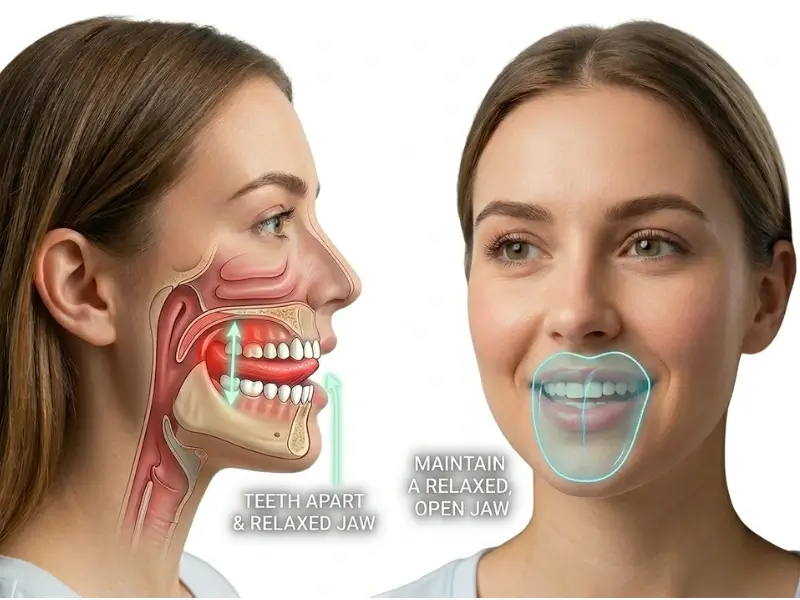
Applying warm compresses to the jaw before sleep can also help relax the muscles. Many patients find success by addressing the psychological triggers through meditation or specialized sleep hygiene. Creating a strictly relaxing bedtime routine ensures the body enters a deeper state of sleep, reducing the likelihood of the micro-arousals that trigger a patient to grinds with teeth.
Consequences of Untreated Tooth Grinding
Ignoring the signs of teeth grinding can lead to irreversible oral health degradation. The immediate impact is the loss of tooth enamel, which serves as the primary defense against decay and sensitivity. Without this protective layer, teeth become shorter, yellowish, and highly susceptible to fractures that may eventually require extraction.
Furthermore, chronic bruxism often evolves into Temporomandibular Joint Disorder (TMD). This condition involves chronic inflammation of the jaw joint, causing limited range of motion and persistent facial pain. In severe cases, the constant pressure can even lead to changes in facial structure, as the masseter muscles become overdeveloped and the lower face takes on a more “squared” appearance.
Options for Grinded Teeth Repair
For patients with significant wear, grinded teeth repair is necessary to restore both function and aesthetics. Minor wear can often be addressed with dental bonding, where a tooth-colored resin is applied to fill in chips and smooth out flattened edges. This provides an immediate improvement in the tooth’s appearance.
In cases of extensive damage, porcelain crowns or veneers are the gold standard for reconstruction. These restorations provide a durable new surface that can withstand higher pressure while protecting the remaining natural tooth structure. If tooth grinding has resulted in tooth loss, dental implants may be required to restore the integrity of the dental arch.
Treatment Comparison: Botox vs. Surgery vs. Mouthguards
Choosing the right intervention depends on whether the goal is symptom management or a permanent structural change. The following table summarizes the primary medical approaches for treating bruxism.
Treatment Method | Primary Goal | Duration of Effect | Invasive Level |
Mouthguards | Protects enamel from friction | Varies (Physical barrier) | Non-Invasive |
Botox for Bruxism | Reduces muscle clenching force | 3–6 Months | Minimally Invasive |
Jaw Surgery | Corrects structural alignment | Permanent | High (Surgical) |
Natural Remedies | Reduces stress/tension triggers | Ongoing | Non-Invasive |