
The World Health Organization reports that complete tooth loss (edentulism) affects roughly 7% of the global population. Dental implants are widely considered the best tooth replacement, but they are not the right solution for everyone. Here are the 8 best clinically recognised alternatives to dental implants worth knowing about in 2026.
Why Do People Look for Alternatives to Dental Implants?
Implants involve surgery, time, and significant cost — and not every patient is a suitable candidate. There are several medically sound reasons why patients explore alternatives:
- Cost. A single dental implant in the UK costs £2,500 on average. In the US, the average price for a single dental implant ranges from $3,000 to over $5,000.
- Surgery anxiety. The idea of jaw surgery is a genuine barrier for many people.
- Medical contraindications. If you smoke, have extensive bone loss, suffer from advanced gum disease, or have autoimmune disorders or bone disease.
- Time. A standard implant process takes several months. Patients who need a faster solution often look elsewhere.
- Wanting to save a natural tooth. In some cases, a tooth that appears lost can actually be saved – which is always the better option.
The 8 Best Alternatives to Dental Implants
The options below range from conservative (saving what you have) to replacing what is gone — ordered from least to most invasive. Each one is assessed on its advantages, disadvantages and costs.
1. Periodontal Treatment: If Prevention is Still an Option
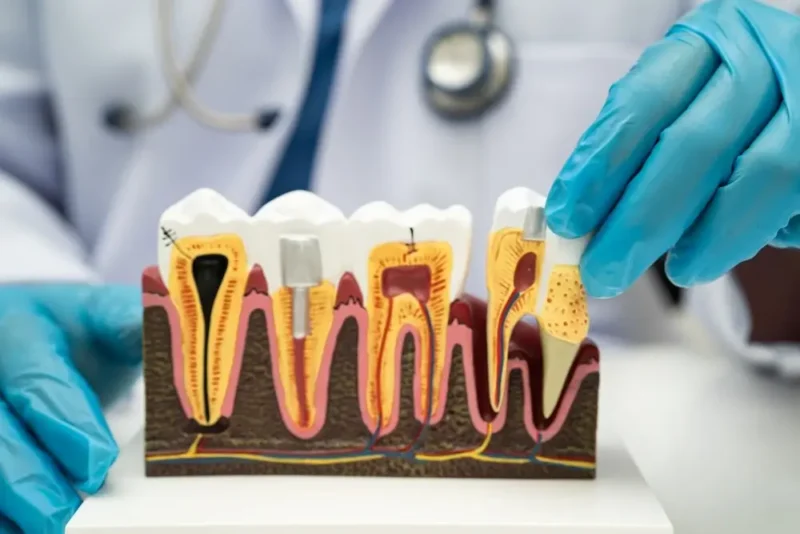
The best alternative to replacing a tooth is never losing it in the first place.
Gum disease (periodontitis) is the leading cause of tooth loss in adults worldwide. It is also, in its early and moderate stages, entirely treatable. Depending on the severity, it may include:
- Scale and root planing
- Antibiotic therapy
- Periodontal surgery
- Ongoing maintenance
Advantages:
- Preserves your natural tooth
- Avoids surgery in early-to-moderate cases
- Protects adjacent teeth and bone
- It costs £300 to £1,500 privately ($500 to $4,000 in the US)
Disadvantages:
- Only viable if enough healthy tooth and bone remains
- Requires strict long-term oral hygiene
- Advanced periodontitis may be beyond saving
2. Root Canal Treatment & Crown: If the Tooth Can’t Be Saved
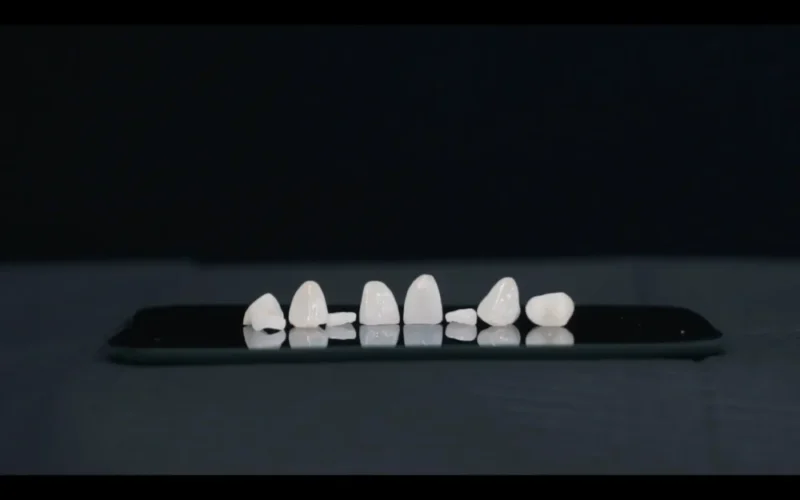
A damaged or infected tooth is not automatically a lost tooth.
Root canal treatment removes infected or inflamed pulp tissue from inside the tooth, disinfects the root canals, and seals them. A dental crown is then placed over the treated tooth to restore its full function and appearance.
Advantages:
- Keeps your natural tooth root intact
- Prevents bone loss
- Fully restores function and aesthetics
- No surgery, no healing period
- Typically covered (at least partially) by dental insurance
- Long-term success rates are high
- Costs between £800 and £2,500 privately ($1,700–$3,500)
Disadvantages:
- Only an option when the tooth root is intact
- The tooth can become more brittle over time
- If bone is compromised, extraction may be unavoidable
3. Dental Bridge: If The Tooth Is Gone
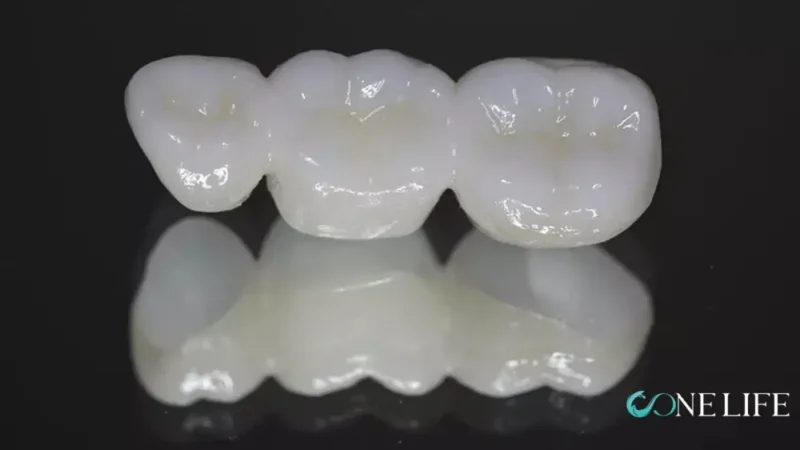
A dental bridge is a fixed prosthetic that literally “bridges” the gap left by one or more missing teeth. It consists of one or more artificial teeth (called pontics) anchored in place by crowns fitted over the adjacent natural teeth — or, in some cases, by mini implants or resin bonding.
Types of dental bridges:
- Traditional bridge: Two crowns are placed on the healthy teeth either side of the gap (theabutment teeth)
- Cantilever bridge: Used when there is only one natural tooth beside the gap.
- Maryland (resin-bonded) bridge: The pontic is held in place by metal or porcelain wings bonded to the backs of adjacent teeth.
- Implant-supported bridge: The strongest and most durable bridge option.
Advantages:
- Fixed and stable
- Does not require surgery
- Restores function and aesthetics
- Fast treatment
- Covered partially by insurance
Disadvantages:
- Irreversible alteration of adjacent teeth
- Do not prevent bone loss
- The average lifespan published by the American Dental Association is 10.1 years
- Higher cost (£1,500 to £3,500 or $2,500–$6,000 privately)
4. Complete Dentures: If All Teeth Are Gone
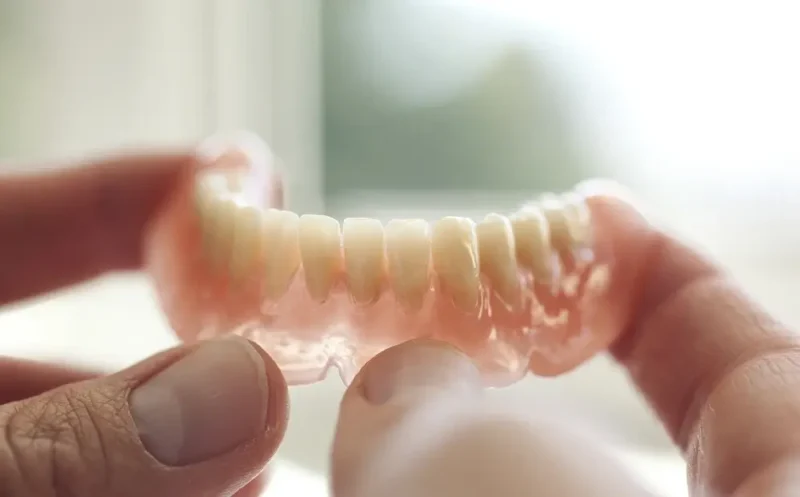
Full dentures — also called complete dentures — replace an entire arch of missing teeth (upper, lower, or both). They are the oldest and most widely used solution for total tooth loss.
Types of full dentures:
- Conventional dentures: Placed 8–12 weeks after extraction.
- Immediate dentures: Placed on the same day as extraction.
- Implant-retained dentures: Secured by two to four implants for stability.
Advantages:
- Most affordable full-mouth option (privately from £1,000 to £3,500 per arch. In the US, $1,500–$5,000 per arch).
- Non-surgical
- Fastest replacement of a full arch of teeth
- Aesthetics have improved significantly with modern materials
Disadvantages:
- Dentures restore only 20–30% of natural chewing force
- Bone loss accelerates underneath, causing facial changes
- May slip, click, or require adhesive
- Typically last 3 to 5 years
- Require nightly removal and specialist cleaning products
5. Partial Dentures: If Some Teeth Are Gone
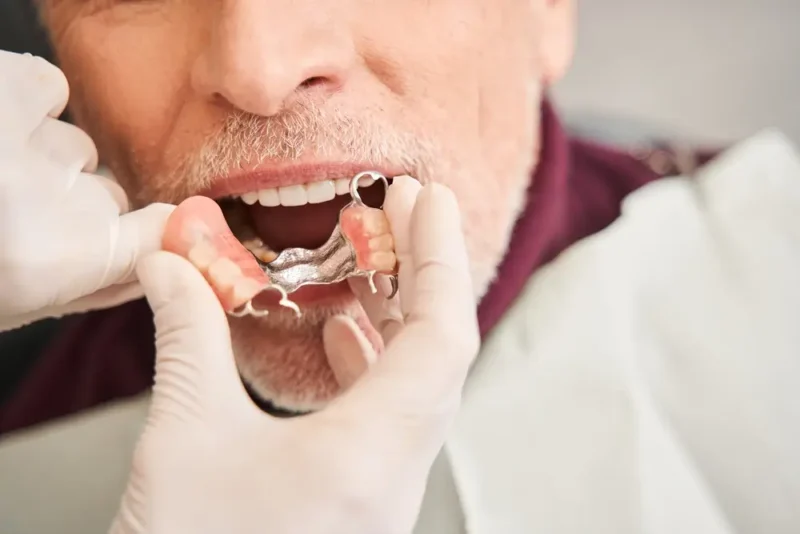
Partial dentures replace one or several missing teeth when healthy natural teeth still remain. They are removable, but they clip or attach onto existing teeth. They are one of the most commonly prescribed solutions worldwide, and available in three distinct materials.
Types of partial dentures:
- Acrylic partial dentures
- Metal (cobalt-chrome) partial dentures
- Flexible partial dentures (Valplast)
Advantages:
- Non-surgical and quick to fit
- Affordable (£500 to £1,200 or $1,000-$3,500 in the US)
- Excellent aesthetics for visible areas
- Easily adjustable if more teeth are lost later
- Cleaning is straightforward
Disadvantages:
- Do not prevent bone loss
- Can feel bulky or uncomfortable
- Metal clasps may be visible
- Less stable than fixed bridges or implants
- Require careful handling — can break if dropped
6. Mini Dental Implants
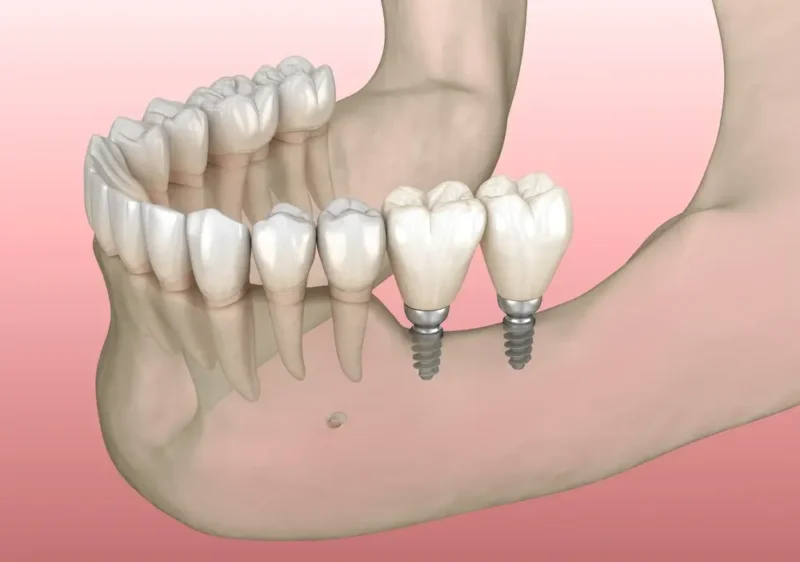
Mini dental implants (MDIs) are a smaller-diameter version of standard dental implants — typically less than 3mm wide, compared to 3.5–5mm for conventional implants.
Advantages:
- Less invasive than standard implants
- Shorter healing time
- Lower cost (£500–£1,500 per implantin the UK, $500–$1,500 in the US)
- Can be used to stabilise dentures
Disadvantages:
- Long-term load capacity can be a limiting factor
- Not suitable for replacing back teeth
- Less long-term clinical data than conventional implants
- May not be offered by all dental clinics
7. Screwless Dental Implants
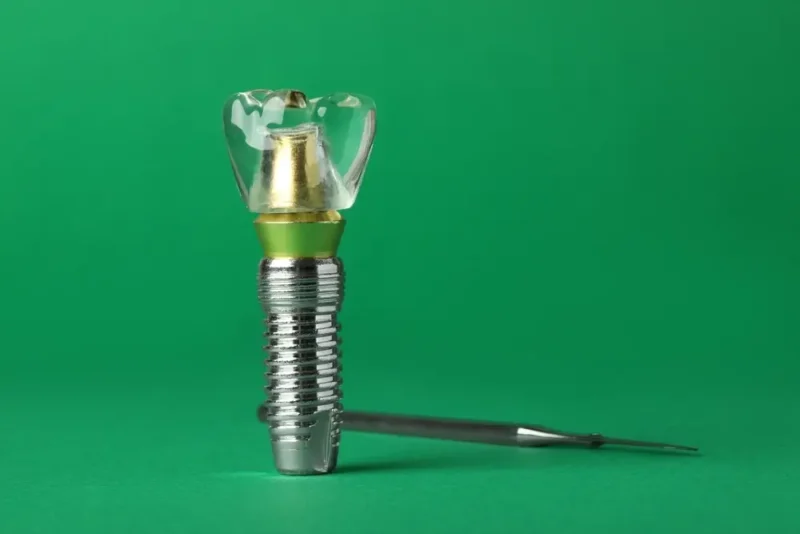
Screwless dental implants (cement-retained or screwless implant crowns) cement the crown directly onto the implant abutment, with no visible screw. The implant itself is identical.
Advantages:
- Superior aesthetics
- Excellent for front teeth
- Reduced risk of screw loosening
Disadvantages:
- Retrieval is more complex if the crown needs to be removed for any reason
- Not all clinics offer or recommend this technique — requires experienced hands
- Not suitable for all implant positions or bite configurations
8. Snap-In Dentures
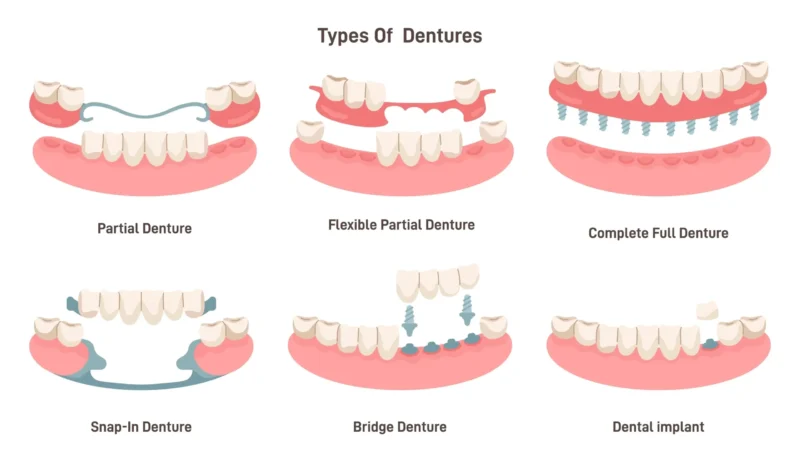
Implant-supported dentures (snap-in dentures, All-on-4 or All-on-6) represent the best solution for patients who struggle with denture movement. A full arch denture is supported by just four or six implants, which provide stability that dentures alone cannot match. All-on-4 treatment has shown survival rates above 94% at 10 years.
Advantages:
- No removal, no adhesives, no slipping
- Restores the majority of chewing force
- Prevents further bone loss
Disadvantages:
- Requires surgery and a healing period
- Higher cost (£4,000 to £20,000 or $5,000 to $30,000 is the US)
- Not reversible once completed
- Requires a specialist clinic with implant surgery experience
- If one implant fails, the entire arch is affected
How Do the Alternatives Compare?
Every option involves trade-offs between cost, invasiveness, longevity, and function.
Option | Surgery Required | Bone Preservation | Longevity | Restores Chewing Force | Cost |
1. Periodontal Treatment | No | ✅ Yes (saves natural tooth) | Lifetime (if maintained) | 100% (natural tooth) | £300–£1,500 |
2. Root Canal + Crown | No | ✅ Yes (natural root intact) | 10–20+ years | ~95% (natural tooth) | £800–£2,500 |
3. Dental Bridge | No (traditional) | ❌ No | 10–15 years | Good (70–80%) | £1,500–£6,000 |
4. Full Dentures | No | ❌ No (accelerates loss) | 5–10 years | 20–30% of natural force | £1,000–£3,500/arch |
5. Partial Dentures | No | ❌ No | 3–8 years | Low–moderate | £500–£2,000 |
6. Mini Dental Implants | Minor (less invasive) | ✅ Partial | 10–15+ years | Moderate | £500–£1,500/implant |
7. Screwless Implants | Yes | ✅ Yes | 25+ years | ~95% of natural force | £2,500–£4,000/implant |
8. All-on-4 / All-on-6 | Yes | ✅ Yes | 94%+ survival at 10 years | High (close to natural) | £4,000–£22,000/arch |
Which Tooth Replacement Option Is Right for You?
There is no universal answer — but there is almost always a best answer for your specific situation. How many teeth are you missing? The most important step you can take is an assessment of your bone, gums, and oral health. Get second opinions too and everything else follows from that.
Beyond the clinical picture, three personal factors consistently shape the final decision:
- Demand transparency about all extra and hidden expenses.
- If you need teeth quickly — after an accident or before a major life event.
- Health and lifestyle. Smoking, vaping, heavy alcohol use, autoimmune conditions and bone disorders can all affect candidacy for surgical options.
How Much Do Dental Implants Cost Abroad vs. at Home?
Dental implants are too expensive — that is the reason why many people search for alternatives. they are chosen because implants feel financially out of reach. That calculation changes significantly when you factor in dental tourism, and specifically treatment in Turkey.
The UK & US cost
A single dental implant in the UK ranges from £1,800 to £3,000. Full mouth reconstruction costs an average £20,000–£40,000 per jaw.
In the US, the average price for a single dental implant ranges from $3,000 to over $5,000. For full mouth reconstruction, costs are striking, averaging $45,000 to over &70,000.
The Turkey Question
A single dental implant in Turkey costs between £300 and £900. Full mouth dental implants in Turkey, including travel, cost an average £8,000–£15,000. This covers some of the best implant brands in the world (Straumann, Nobel Biocare, Osstem, Bego, Zimmer) –– verified with REF codes.
What about quality and safety?
Turkish clinics offer treatments that are often significantly more affordable without compromising on quality or safety. Here is a practical checklist for evaluating any clinic:
- Verify implant brands by REF code
- Check surgeon credentials
- Read verified patient reviews
- Confirm what the package includes
- Ensure aftercare is covered
- Demand a medical complication insurance (mandatory as per 2026 Regulations)