
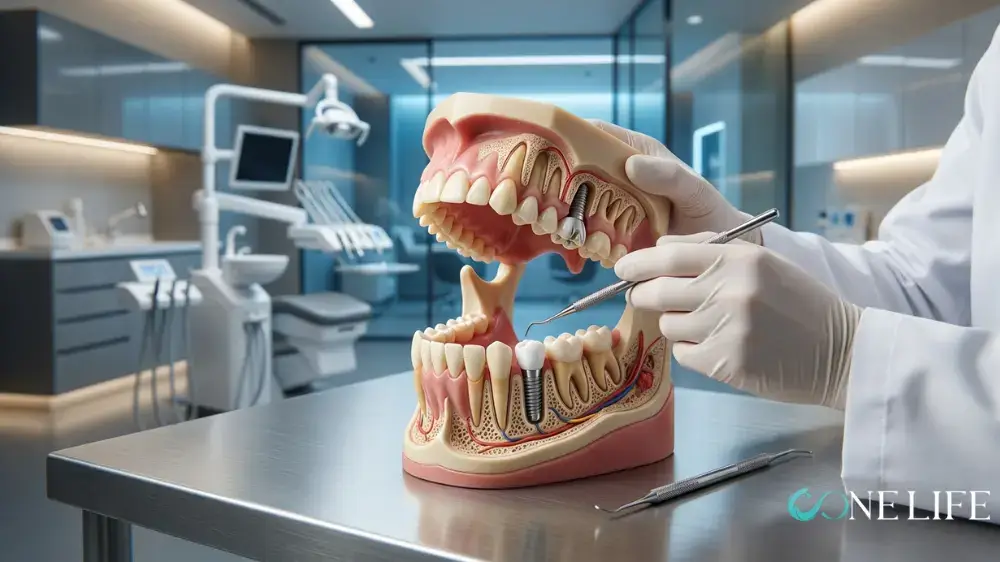
The oral cavity — the technical name for your mouth — is one of the most complex and important organs in the human body. It is the entry point to two of your body’s critical systems: digestion and respiration.
But it is far more than a biological gateway. It is the instrument through which you communicate, connect, express emotion, and present yourself to the world.
Small in size. Extraordinary in function.
According to the World Health Organization (WHO), oral diseases affect nearly 3.5 billion people worldwide — making them among the most widespread health conditions on the planet.
Understanding your mouth is the first and most powerful step towards protecting it.
1. What Is the Mouth and What Is It For? The 3 Vital Functions
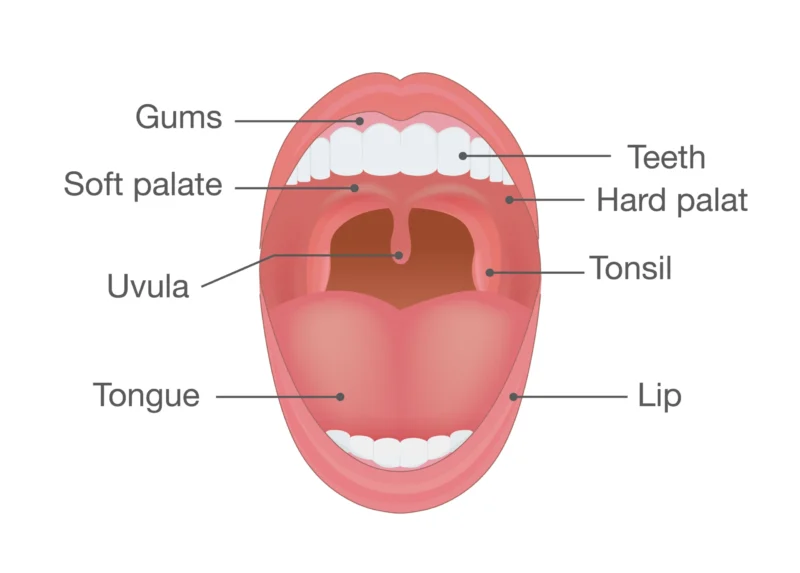
The mouth is a biological marvel, a precision instrument connecting your body to the air it breathes, the food it processes, and the environment it inhabits.
But anatomy alone does not capture what the mouth truly is. We will also need to step beyond the clinical picture, discovering the mouth as the centre of human identity, expression and connection.
1. Eating
Most people think digestion happens in the stomach. It doesn’t — it begins the moment food enters your mouth.
The chief structures of the mouth — teeth, tongue and palate — work together to tear, grind and position food into pieces suitable for swallowing and further digestion.
Simultaneously, the salivary glands release saliva containing the enzyme amylase, the body’s first chemical tool for breaking down carbohydrates.
By the time you swallow, digestion is already underway.
2. Breathing
The mouth serves as a secondary airway. While the nose is the preferred route for breathing — filtering, warming and humidifying incoming air — the mouth steps in when nasal airflow is insufficient: during exercise, illness, or sleep.
This dual role as both digestive and respiratory passage is one of the most fascinating — and occasionally dangerous — consequences of human evolution.
3. Communication
In addition to its primary role in the intake and initial digestion of food, the mouth and its structures are essential in humans to the formation of speech.
No other species uses its mouth the way humans do. The precise coordination of lips, tongue, teeth, palate and vocal cords produces the complex sounds that underpin language — the vehicle for ideas, culture, science, poetry and everything that defines civilisation. Speech is not merely communication.
It is what separates human experience from that of every other animal.
What Are the Parts of the Mouth?
The oral cavity is made up of multiple structures, each with a precise role. It is also divided into two zones: the oral vestibule (the space between the cheeks and lips and the teeth) and the oral cavity proper (the inner space largely occupied by the tongue).
From the outside in, here is what your mouth is actually composed of:
- Lips
- Gums (gingiva)
- Teeth
- Hard palate
- Cheek mucosa
- Mobile tongue and floor of the mouth.
What Do the Parts of the Mouth Do? A Complete Reference Table
You use every one of these structures dozens of times an hour — most of them without a second thought. Here is what they actually are, and what they are quietly doing on your behalf:
Structure | What It Is | Primary Function |
Lips | Muscular folds covered by skin and mucous membrane | Seal the mouth; assist in speech, eating and facial expression |
Teeth | Calcified structures embedded in the jawbone | Cut, tear and grind food; support speech and facial structure |
Gums (Gingiva) | Soft tissue surrounding the base of the teeth | Protect tooth roots and anchor teeth to the jawbone |
Tongue | Large muscle anchored to the floor of the mouth | Moves and mixes food; essential for taste, speech and swallowing |
Hard Palate | Bony roof of the mouth | Separates oral and nasal cavities; supports chewing and speech |
Soft Palate | Muscular extension behind the hard palate | Closes the nasal passage during swallowing; role in speech sounds |
Cheeks (Buccal Mucosa) | Muscular walls lined with mucous membrane | Keep food between the teeth during chewing |
Floor of the Mouth | Soft tissue beneath the tongue | Houses sublingual salivary glands; supports tongue movement |
Salivary Glands | Three pairs: parotid, submandibular, sublingual | Produce saliva for digestion, lubrication and antibacterial protection |
Uvula | Small soft tissue projection at the back of the soft palate | Assists swallowing; role in certain speech sounds |
Jawbone (Maxilla & Mandible) | Upper and lower bony structures of the face | Support teeth; enable chewing through jaw movement |
TMJ | Joint connecting the jawbone to the skull | Allows the jaw to open, close and move sideways |
A Closer Look at Three Key Structures
What do you think the most important parts of the mouth are? The teeth and tongue are the two easy ones. The third and last are the salivary glands, without which the other two wouldn’t be able to function properly. Let’s take a look at them.
The Teeth
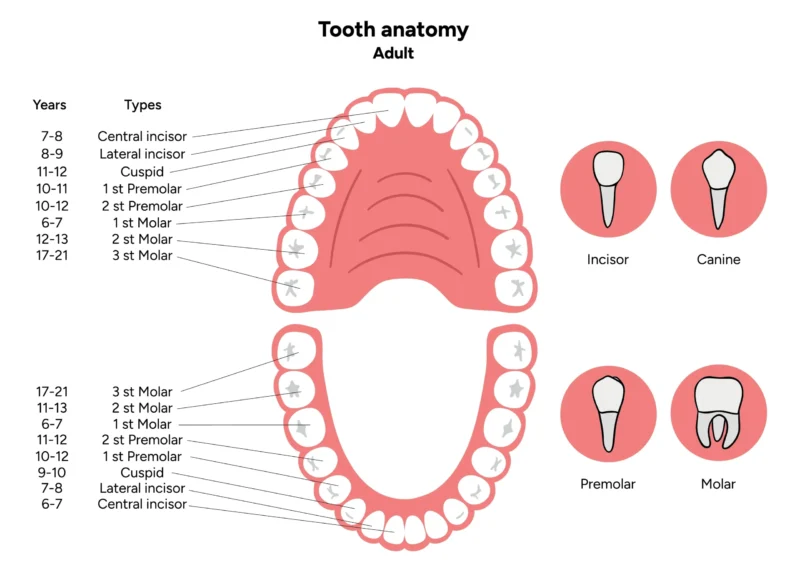
Each tooth consists of a crown, neck and root, composed of enamel on the crown, cementum on the root, dentin and a central pulp cavity containing neurovascular structures. Adults have 32 permanent teeth — or 28 if wisdom teeth have been removed — in four types:
- Incisors (8) — front teeth that cut food
- Canines (4) — pointed teeth that tear food
- Premolars (8) — transition teeth that crush and grind
- Molars (12, including wisdom teeth) — large flat teeth for final grinding
- Interesting Fact: Enamel, the outermost layer of the teeth, is the hardest substance in the human body — harder than steel, harder than bone, and harder than almost any material your body produces.
The Tongue
The tongue is a large muscle firmly anchored to the floor of the mouth by the frenulum linguae. It positions and mixes food and carries sensory receptors for taste. It is also indispensable for speech, shaping sounds in coordination with the lips and palate.
The Salivary Glands
The major salivary glands are the paired parotid, submandibular and sublingual glands. Together, a healthy adult produces between 0.5 and 1.5 litres of saliva per day — a remarkable natural defence system that neutralises acids, fights bacteria and lubricates every bite of food you take.
The Boundaries of the Mouth: What Comes Next
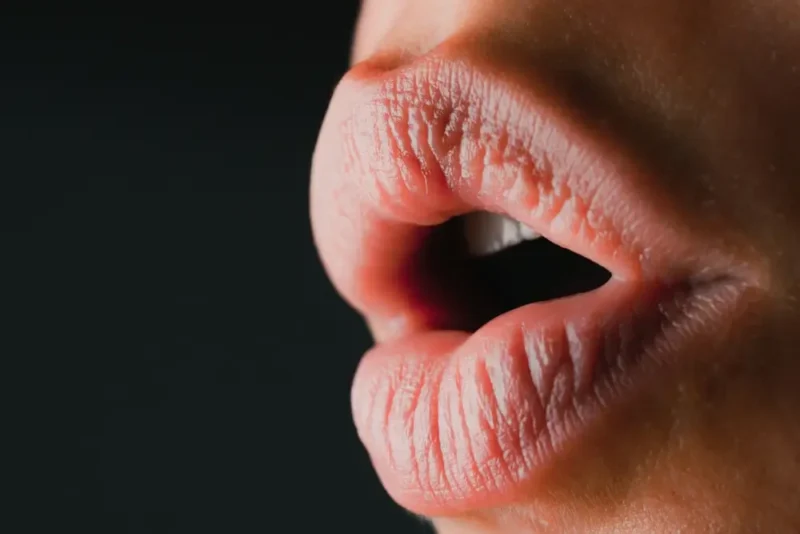
The mouth does not exist in isolation. It is a crossroads where two of the body’s most critical systems meet, and where the external world connects with your internal biology.
A. Inner Boundaries: The Gateway to Two Vital Systems
At the back of the oral cavity, the mouth opens into the throat (pharynx), which divides into two separate passages:
- The oesophagus — carrying food and drink downward into the stomach, part of the digestive system
- The trachea — carrying air downward into the lungs, part of the respiratory system
The Tonsils: The Body’s First Line of Defence
Just beyond the oral cavity, where the mouth meets the throat, lies the oropharynx. It is here, not inside the mouth itself, that the tonsils are located. They form part of the body’s first immunological line of defence, trapping bacteria and viruses that enter through the mouth and nose. Tonsil infections (tonsillitis) are closely associated with poor oral hygiene and untreated oral bacteria — another reminder that the boundaries between the mouth and the structures beyond it are, in biological terms, more fluid than they appear.
The Risk of Choking
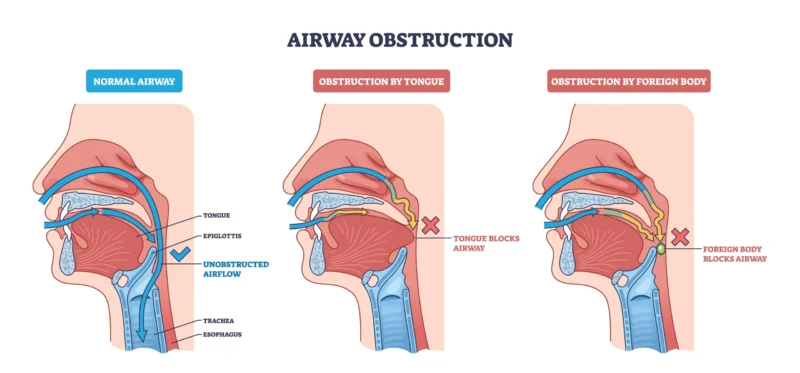
This shared airway for breathing and eating is not a design flaw — it is the price of evolution. The morphology and function of the teeth and jaws of Homo sapiens has changed with hominid evolution, shaped by the interaction of diet, speech and environment.
As humans developed complex speech, the larynx descended lower in the throat — creating the resonance chamber needed for language, but placing the airway in closer proximity to the digestive passage.
No other mammal shares this arrangement. It gives us speech. It also makes us uniquely vulnerable to choking.
What this means in practice:
- Chew food thoroughly — the mouth is the first and most important stage of safe digestion
- Eat slowly; avoid talking with your mouth full
- Be especially attentive with young children and elderly individuals, whose epiglottis reflex may be slower
B. Outer Boundaries: Where the Mouth Meets the World
On the outside, the lips, teeth and tongue interact constantly with the external environment. The lips, as the outer seal of the oral cavity, are also highly sensitive to UV radiation, dehydration and infection — making them one of the most vulnerable yet overlooked structures in the mouth.
Every day your mouth:
- Filters and assesses what enters the body through taste and texture
- Is exposed to dietary acids — citrus, fizzy drinks, alcohol — that erode enamel over time
- Comes into contact with bacteria, viruses and environmental pollutants
- Responds to temperature extremes that stress enamel and dental pulp
- Bears chewing forces averaging between 70 and 150 pounds per square inch
The Key Role of the Mouth in Human and Social Interaction
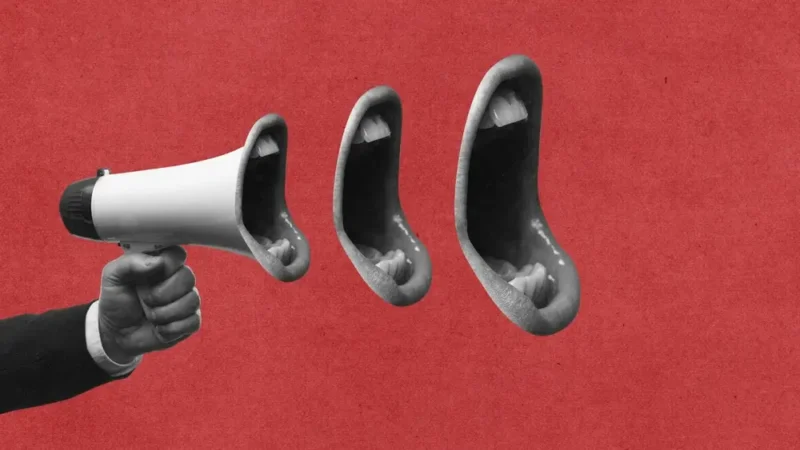
The mouth is not only a biological organ. It is a social instrument — perhaps the most expressive and communicative part of the human body.
From the subtlest smile to the loudest laugh, the mouth sits at the centre of what it means to be human.
A. Facial Expression
The position of the lips alone — slightly upturned, firmly pressed, softly parted — can silently communicate joy, anger, contempt or desire.
Leonardo da Vinci understood this five centuries ago. The Mona Lisa’s smile derives its magnetic, enduring power almost entirely from the ambiguity of her mouth. Leonardo deliberately left the corners of her lips in shadow, making her expression impossible to read with certainty — joyful or melancholic, amused or detached.
In the digital age, the most widely used emoji are facial — and the majority centre on the mouth. We convey warmth, humour, sadness or affection — doing digitally what Leonardo achieved with paint. 😊 😂 😢 😘
B. Emotions, Feelings and the Sounds We Make
The mouth is the body’s primary instrument for emotional expression — not only through words, but through sound, breath and movement:
- Laughing
- Crying
- Singing
- Shouting
- Whistling
- Sighing, coughing, clearing the throat
And There is Kissing…
The first thing your mother most likely did when you were born was kiss you. That instinct — to press lips to skin as an act of love, protection and welcome — is among the most primal of human behaviours.
A study led by the University of Oxford found evidence that kissing evolved around 21 million years ago — and that Neanderthals likely kissed too. Far from being a modern invention, the kiss has ancient biological roots.
Yet it is far from universal. Romantic kissing is documented in only 46% of human cultures — a striking fact that reveals how deeply our experience of the mouth is shaped by both biology and society. Where it does exist, however, it carries extraordinary weight
C. Aesthetics and Image
The mouth plays a defining role in how you are perceived and how you feel about yourself. A healthy, confident smile is among the first things people notice in another person — and one of the strongest drivers of attractiveness, trustworthiness and approachability.
Actors, singers, models, television presenters and politicians invest significantly in oral aesthetics — because they understand that a confident smile communicates vitality and presence.
Every one of us has a personal and social life. We meet people, attend interviews, make first impressions. Visible dental problems — missing teeth, discolouration, gum recession — affect self-esteem and cause people to smile less, speak less freely and withdraw from social situations.
Your oral health is not a luxury. It is part of who you are — and how the world sees you.
What Could Go Wrong With the Mouth?
The mouth is resilient — but it is also exposed. Every day it faces bacteria, acids, physical wear and the cumulative effects of diet and lifestyle.
When something goes wrong, the consequences rarely stay local.
Oral diseases affect nearly 3.5 billion people worldwide, and poor dental hygiene has been directly linked to heart disease, diabetes and even Alzheimer’s disease.
The good news: most oral conditions are preventable, and all of them are treatable when caught early.
Common Oral Health Conditions: A Complete Reference
Structure | Condition | What It Is | Available Treatments |
Teeth | Dental caries | Bacterial acids erode enamel and dentin, creating cavities | Fillings, inlays, crowns, or extraction in severe cases |
Teeth | Tooth erosion | Gradual enamel loss due to dietary or gastric acid | Dietary changes, fluoride treatment, composite bonding |
Teeth | Tooth fracture | Cracking due to trauma or grinding | Bonding, crown, root canal or extraction |
Teeth | Tooth loss (edentulism) | Partial or total loss due to decay, gum disease or trauma | Dental implants, bridges, dentures. One Life Dental: single implants from £450 / $570. |
Teeth | Bruxism | Involuntary grinding, often during sleep | Night guards, stress management, Botox in jaw muscles |
Gums | Gingivitis | Early-stage gum inflammation from plaque build-up | Professional cleaning, improved oral hygiene |
Gums | Periodontitis | Advanced gum disease destroying tissue and bone | Deep cleaning, antibiotics, surgery |
Gums | Gum recession | Gums pull back exposing tooth roots | Gum grafting, improved brushing technique |
Tongue | Oral thrush | Fungal infection causing white patches | Antifungal medication |
Lips | Cold sores | Viral blisters caused by HSV-1 | Antiviral creams or tablets |
Palate / Mucosa | Mouth ulcers | Painful sores on the inner mouth lining | Topical corticosteroids, antiseptic mouthwash |
Palate / Mucosa | Leukoplakia | White patches; potentially pre-cancerous | Monitoring, biopsy, possible surgical removal |
Jaw / TMJ | TMJ disorder | Pain and dysfunction in the jaw joint | Physiotherapy, night guards, anti-inflammatories |
Jaw / Bone | Bone loss (jaw atrophy) | Jawbone deterioration following tooth loss | Bone grafting, dental implants. One Life Dental: Dr. Tarkan treats complex bone loss cases under one roof. |
Salivary Glands | Dry mouth (xerostomia) | Insufficient saliva, increasing cavity risk | Hydration, saliva substitutes, medication review |
Oral Cavity | Oral cancer | Malignant tumours affecting lips, tongue or palate | Surgery, radiotherapy, chemotherapy |
The Numbers You Need to Know
Globally:
- Over 2.5 billion people worldwide suffer from cavities in permanent teeth
- Gum disease affects 47% of adults aged 30 and over, rising to 70% of adults aged 65 and over
- In 2021, nearly 46% of the global population was experiencing at least one oral condition
- Oral cancer cases have increased by 30% in the last decade
In the UK specifically — and these figures matter:
- Unmet need for NHS dentistry in England now stands at 13 million people — over 1 in 4 of the adult population — with 5.6 million having tried and failed to secure an NHS dental appointment in the last two years (BDA, 2024)
- Mouth cancer causes around 3,637 deaths in the UK each year, with more than half of cases diagnosed at stages 3 or 4 (State of Mouth Cancer UK Report, 2024)
- Only 40% of adults in England visited an NHS dentist within their recommended timeframe as of June 2024 (Nuffield Trust, 2024)
The Problem? Expensive Dental Treatments
The access and affordability challenge is not unique to the UK.
In Australia, public dental waiting times can reach up to three years in some states, with individuals and families bearing approximately 81% of total dental spending.
In New Zealand, over 3,800 patients were waiting more than four months for dental treatment as of December 2024.
In Canada and Ireland, access to affordable specialist dental care remains severely limited outside major urban centres.
For patients across all these countries, travelling to a world-class specialist clinic abroad is increasingly the most practical and cost-effective path to the care they need.
At OONE LIFE in Istanbul, Dr. Astolfi, Dr. Serkan, Dr Tarkan and the rest of the team provide the same premium brands and clinical standards as top UK and international private practices, at a fraction of the cost — with a 10-year guarantee included.